Copyright: Eifel Tourismus GmbH, Dominik Ketz
Experience the Wilderness of the Eifel
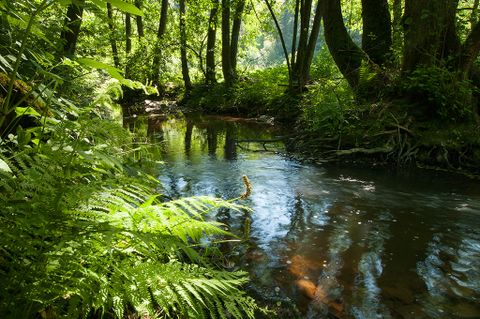
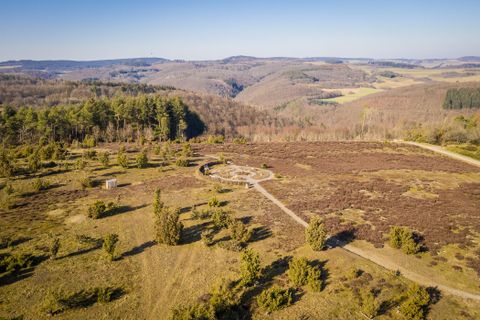
The Eifel is one of Germany’s most biodiverse natural landscapes. Its varied landscape—featuring extensive forests, open plateaus, river valleys, moors, and volcanic maars—provides ideal living conditions for numerous animal species. In particular, the large forested areas of the Eifel National Park and the nature parks serve as important refuges for rare and protected species.
One of the Eifel’s best-known inhabitants is the red deer. It is considered the “king of the forests” and defines the region’s landscape. Especially in the fall, during the rutting season, visitors can experience the impressive bellowing of the stags.
Other notable mammals include:
- Red deer – the region’s largest native game species
- European wildcat – rare, shy, and a symbol of successful conservation
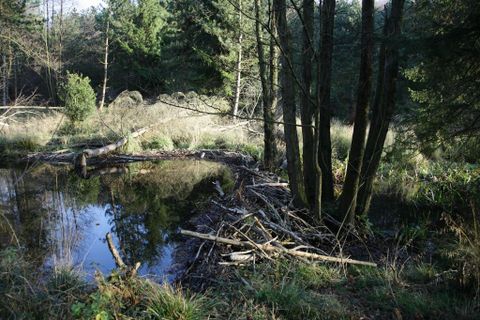
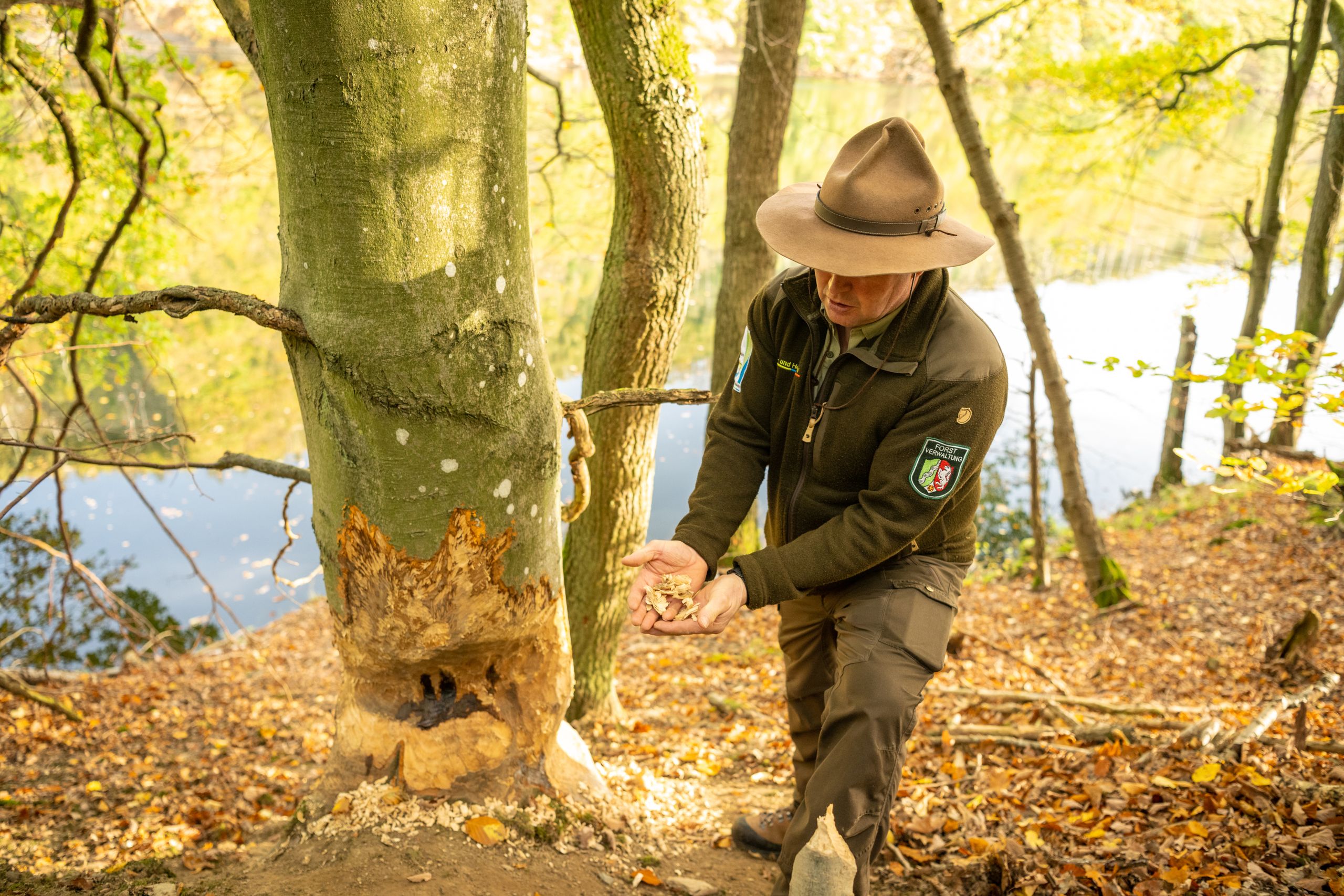
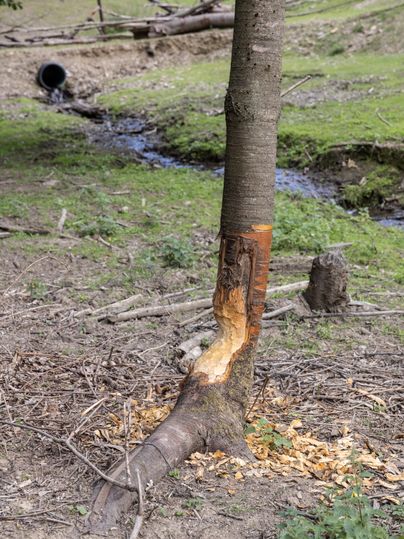
- European beaver – actively shapes waterways by building dams
- Wolf – has been sighted repeatedly in the Eifel and could reestablish
itself in the long term Fascinating birdlife
Bird lovers will also find plenty to enjoy in the Eifel. The tranquil forests and open landscapes provide suitable habitats for numerous bird species.
- Black stork – a rare species that prefers remote forested areas
- Eagle Owl – Europe’s largest owl species, with a wingspan of up to 1.80 meters
- Red Kite and Common Buzzard – frequently seen soaring over the fields and meadows of the Eifel
- Woodpecker species – important inhabitants of the ancient forests
The maars – habitats teeming with biodiversity
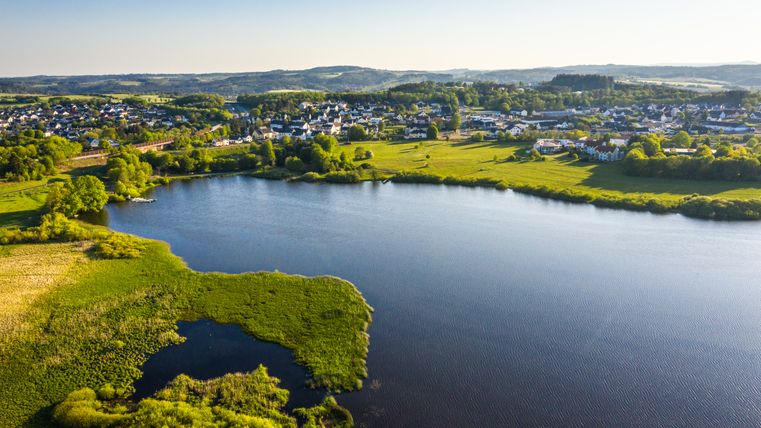
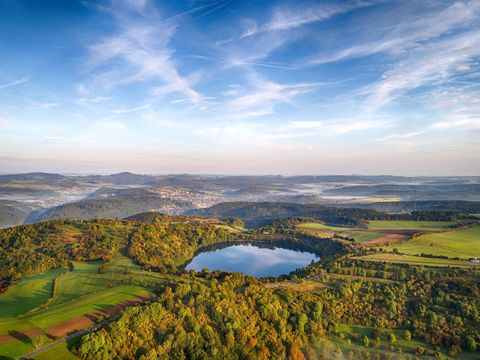
The world-famous Eifel maars are not only geological features but also valuable habitats for numerous animal species. Living in and around the bodies of water are:
- Grass frogs
- Alpine newts
- various fish species
- Rare dragonfly species
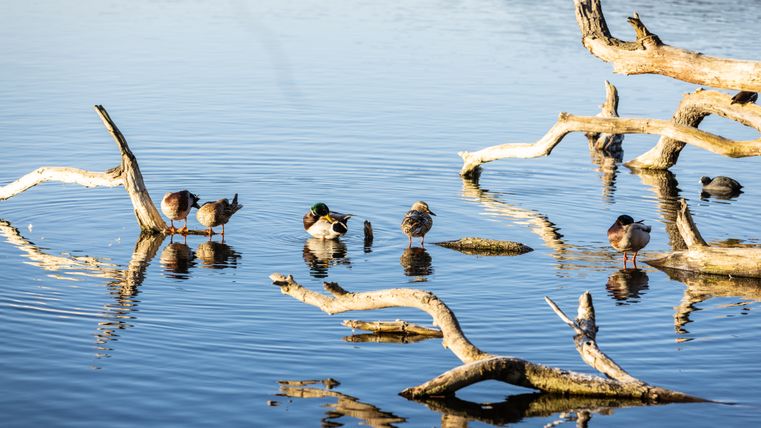
- waterfowl and migratory birds
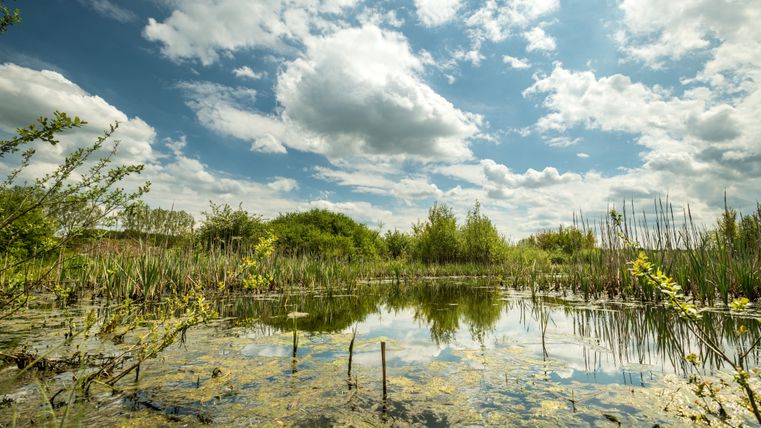
The combination of water, reed beds, and surrounding forests creates unique living conditions for many animals.
The Hidden World of Bats
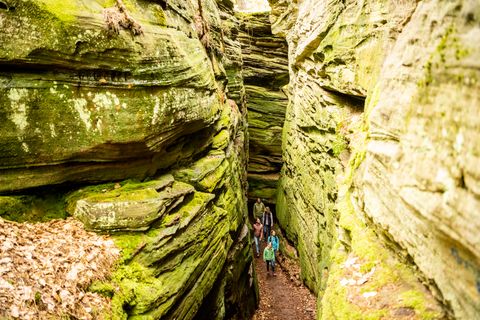
The Eifel’s volcanic past has left behind numerous caves, tunnels, and old cellars. These serve as winter roosts for many bat species.
Among the most common species are:
- Pipistrelles
- Long-eared bats
- Long-eared bats
Some of these animals travel long distances every year to reach suitable wintering sites in the Eifel.
Small Animals with Great Significance
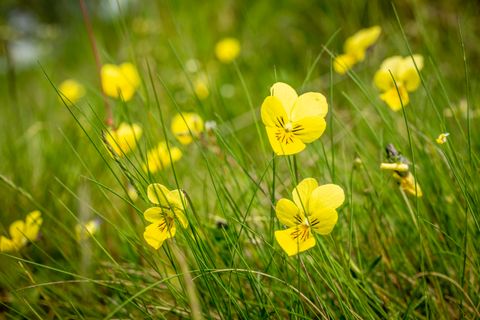
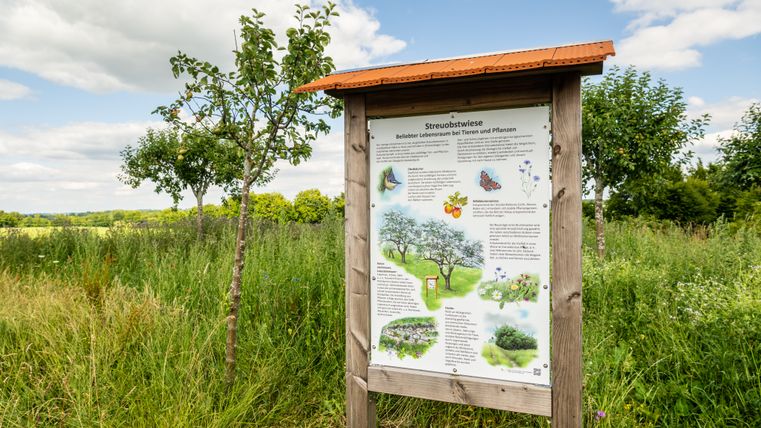
The insect life of the Eifel is also exceptionally diverse. Numerous rare species can be found especially in near-natural meadows, dry grasslands, and nature reserves, such as the Irsental.
These include, among others:
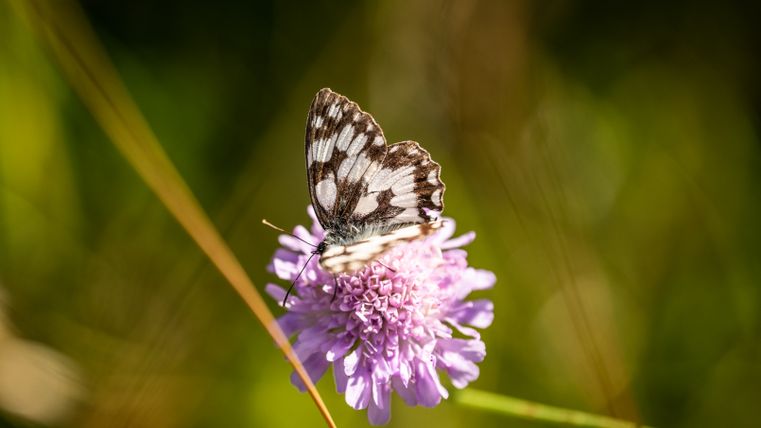
- various species of blue butterflies
- wild bees
- rare beetle species
- grasshoppers and crickets
These animals play an important role in pollinating plants and contribute significantly to the ecological balance.
Let Nature Be Nature
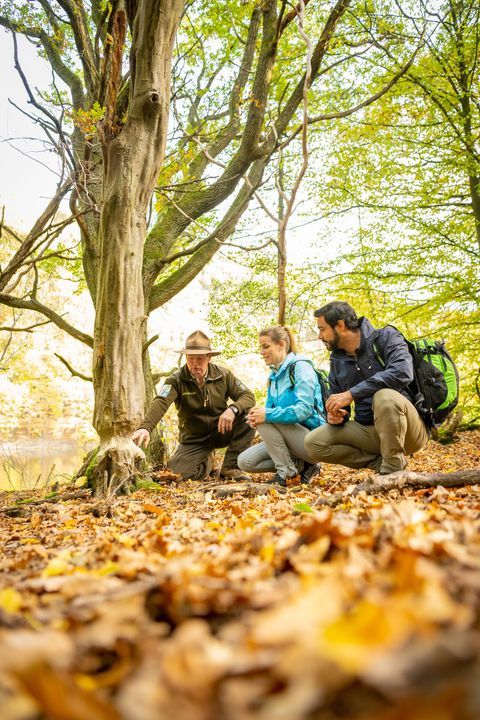
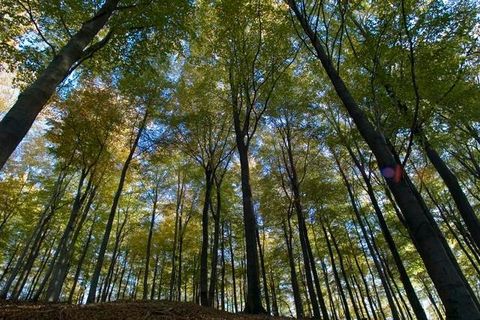
The Eifel National Park follows the motto “Let nature be nature.” This allows many habitats to develop without human intervention. Deadwood remains in the forest, natural processes are allowed to take their course, and rare species find valuable refuges.
The Eifel’s wildlife impressively demonstrates just how diverse and vibrant nature is in this region. From majestic red deer and shy wildcats to rare black storks and the inhabitants of the maars, the Eifel offers unique nature experiences and ranks among the most important refuges for native animal species in Germany.
Impressions
Interesting Facts About the Wilderness in the Eifel
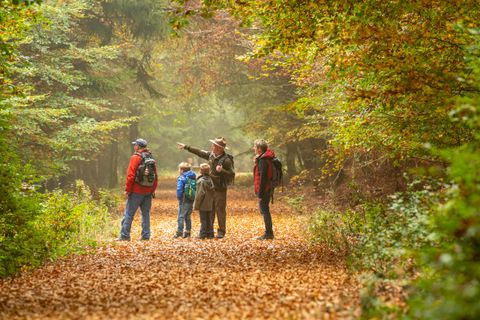
In the national park, for example, the motto is “Let nature be nature.” This means that nature is allowed to develop without human intervention. This creates valuable habitats for endangered species—from old beech forests to natural streams.
More than 11,000 animal, fungus, and plant species have been recorded in the Eifel National Park to date. These include more than 2,600 species on the Red Lists—that is, endangered or threatened species.
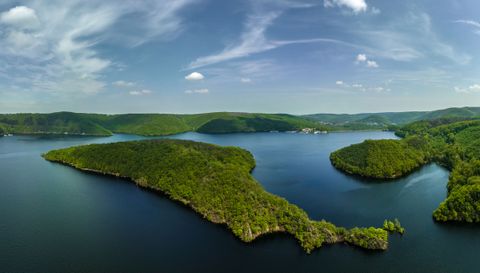
Bird Watching
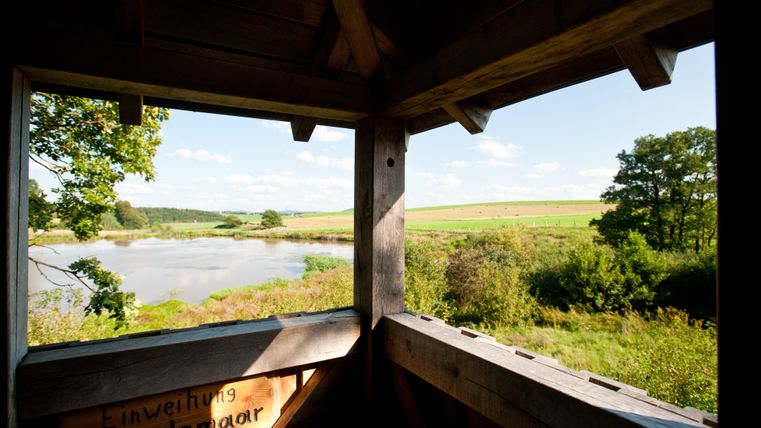
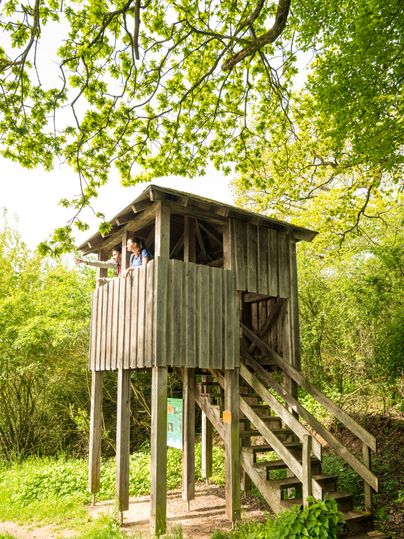
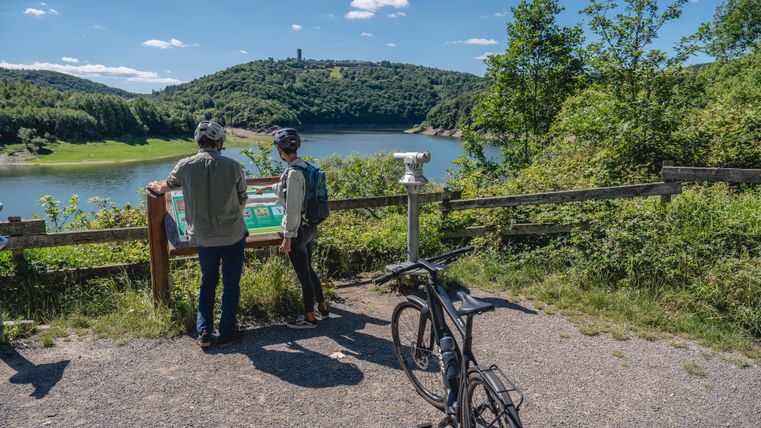
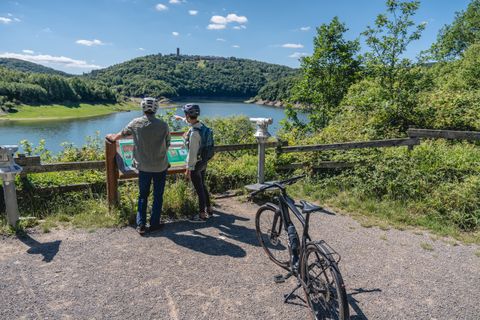
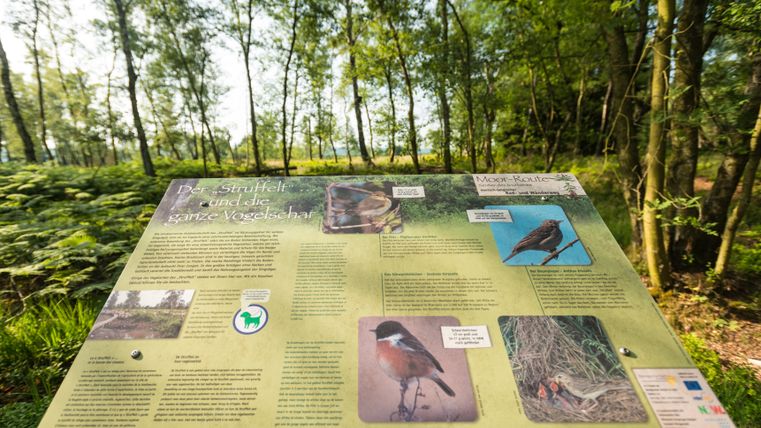
Bird-watching stations in the Eifel are specially designed observation points from which visitors can observe local birdlife comfortably and with minimal disturbance. They are primarily located near lakes, wetlands, river landscapes, and open plateaus, as these habitats offer ideal conditions for numerous waterfowl, migratory birds, and open-country species. Typical features include observation platforms or sheltered shelters with permanently installed telescopes, as well as information boards about the landscape, nature conservation, and characteristic species. Because they are situated away from sensitive breeding areas, they allow for in-depth nature observation without disturbing the animals. In this way, they combine nature experiences, environmental education, and species conservation.
5 results
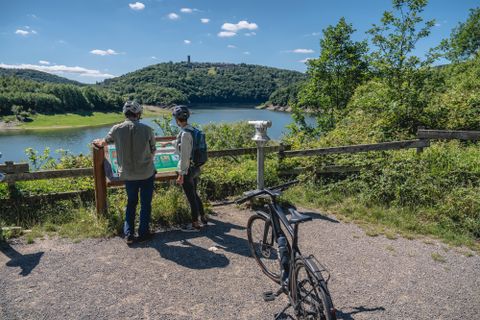
Bird Watching Station am Urftsee
SchleidenOpen today
Black cormorants, great crested grebes, grey herons, ducks and, with a bit of luck, red and black kites as well as the black stork - the Urft Dam in the Eifel National Park is an El Dorado for birds. Here they can breed in peace and raise their young. The bird watching station at the Urft reservoir is an excellent place to observe the birdlife. Two high-quality telescopes are available for this purpose.
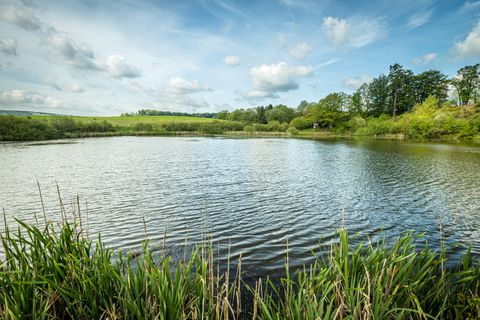
Eichholzmaar Steffeln
SteffelnOpen today
Idyllically located between the two Eifel towns of Steffeln and Duppach on the volcanic path and the "Vulkane, Maare & Dreese" circular trail, the Eichholzmaar with a diameter of approx. 120 m and a maximum depth of 3 m is the smallest and northernmost water-filled Maar of the Eifel.
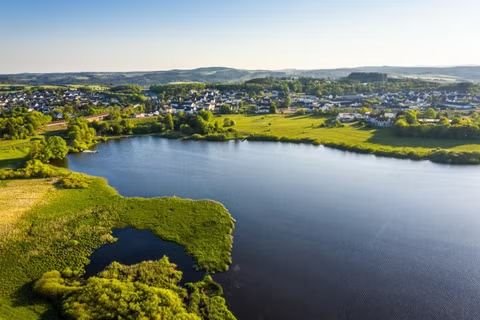
Jungferweiher
UlmenOpen today
The Jungferweiher, a re-flooded dry maar located north of the Ulmener Maar, is known for its richness in migratory birds and serves as a source of drinking water for the Cochem-Zell district.
Sangweiher
UdlerOpen today
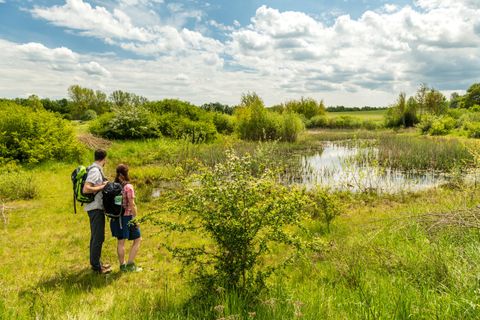
A maar and nature reserve with a "medieval lake" full of birds that find ideal living conditions here.
Vogelbeobachtungsstation - Hallschlag
HallschlagOpen today
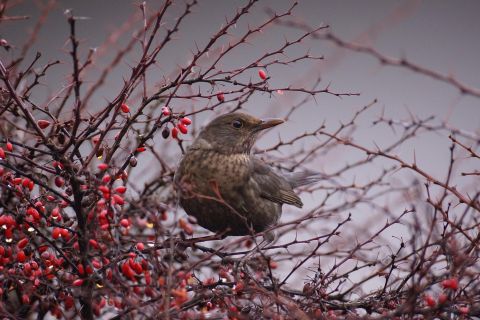
Observe birds at the lake Kronenburg.