Plant Diversity in the Eifel
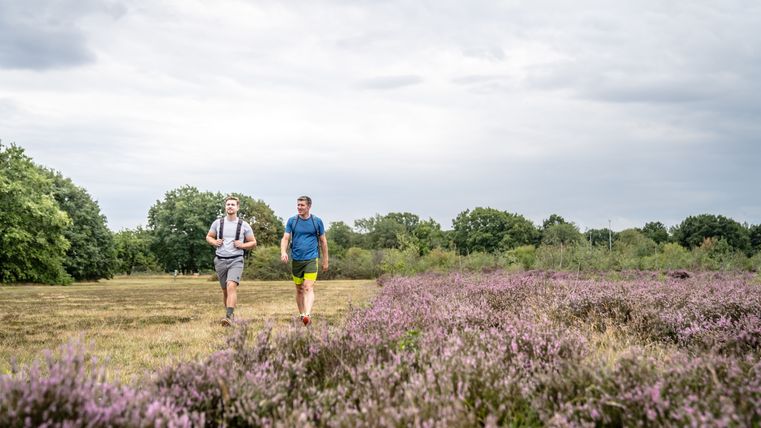
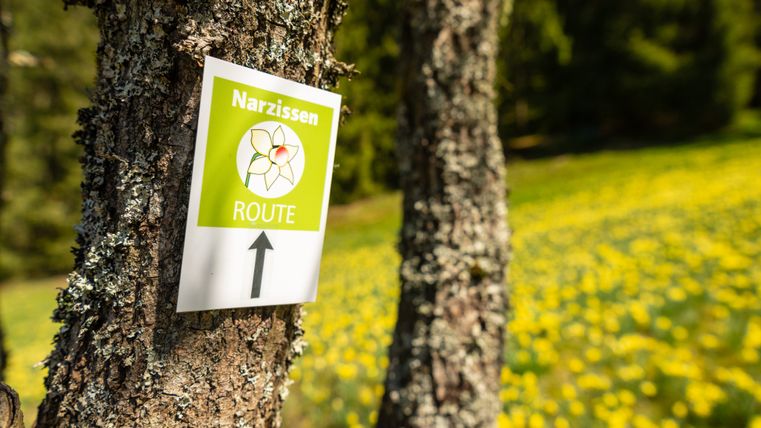
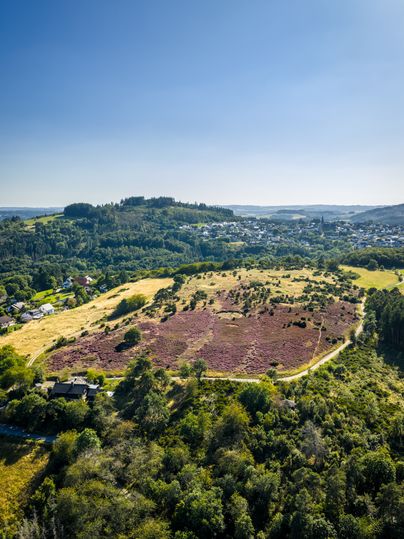
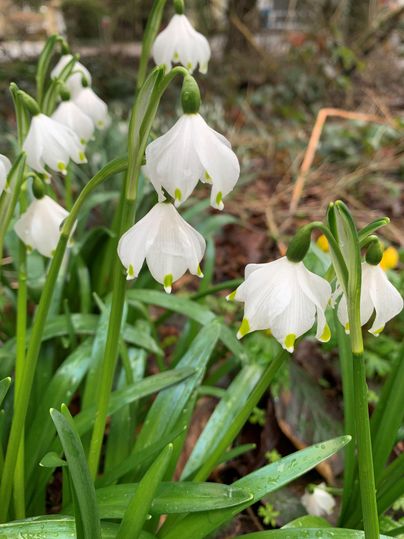
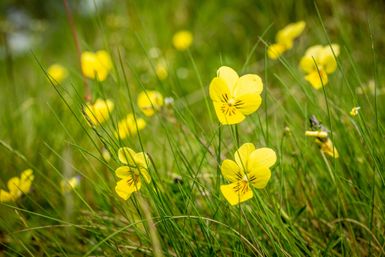
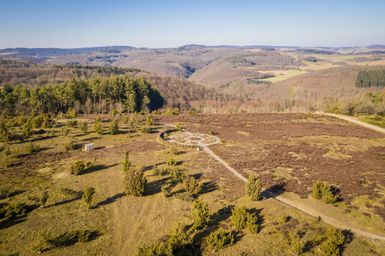
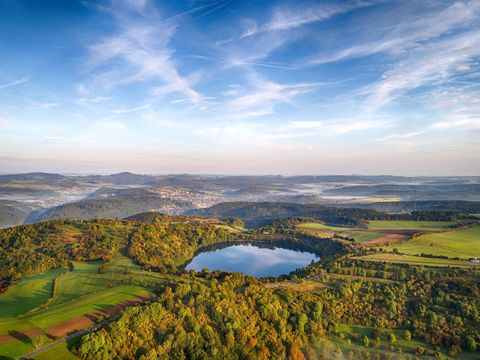
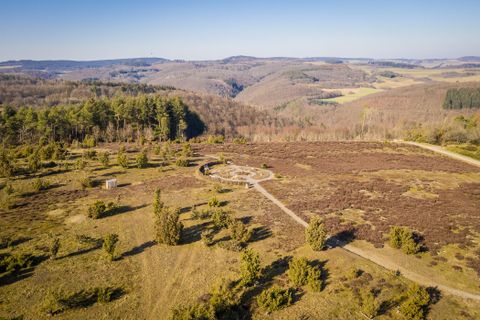
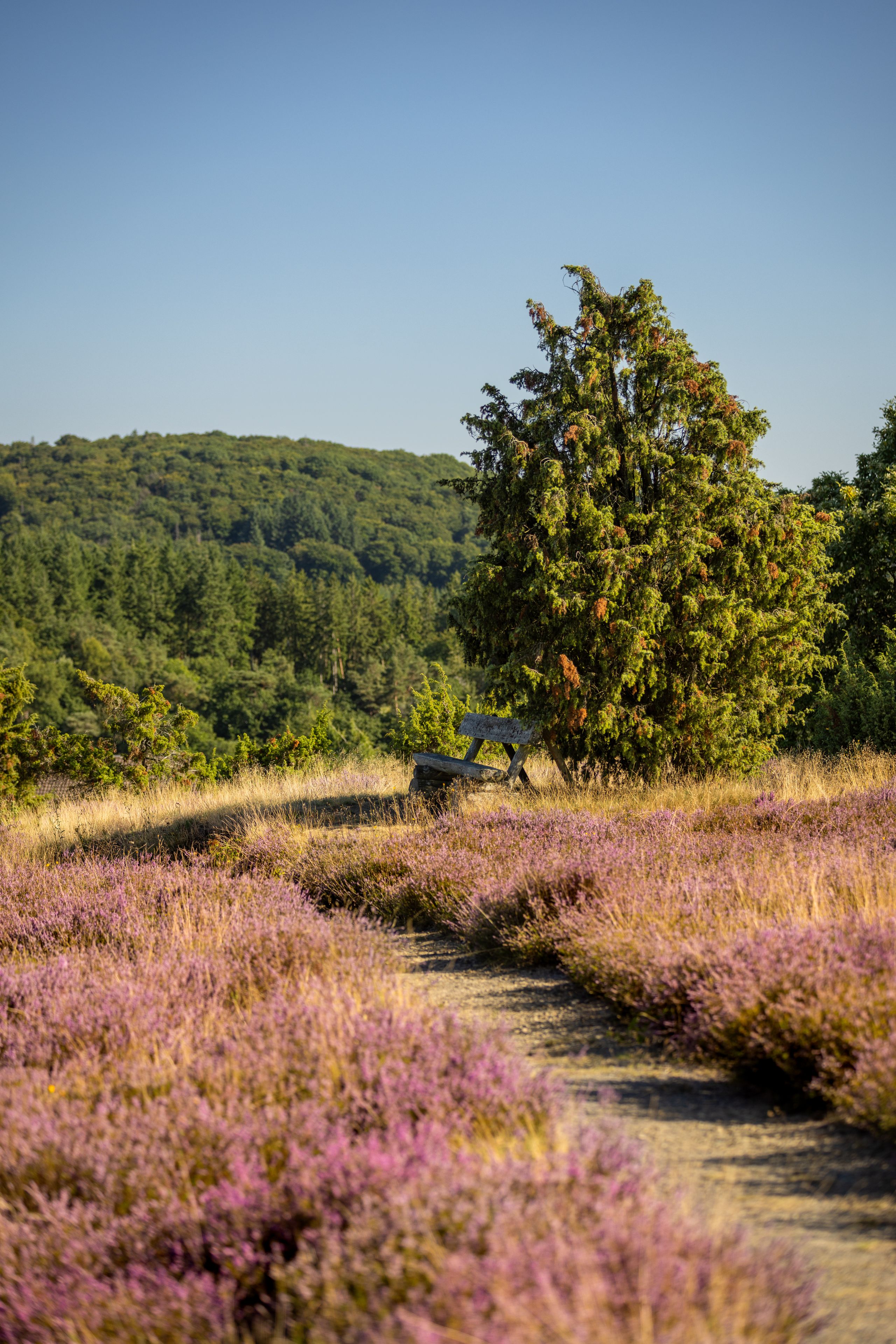
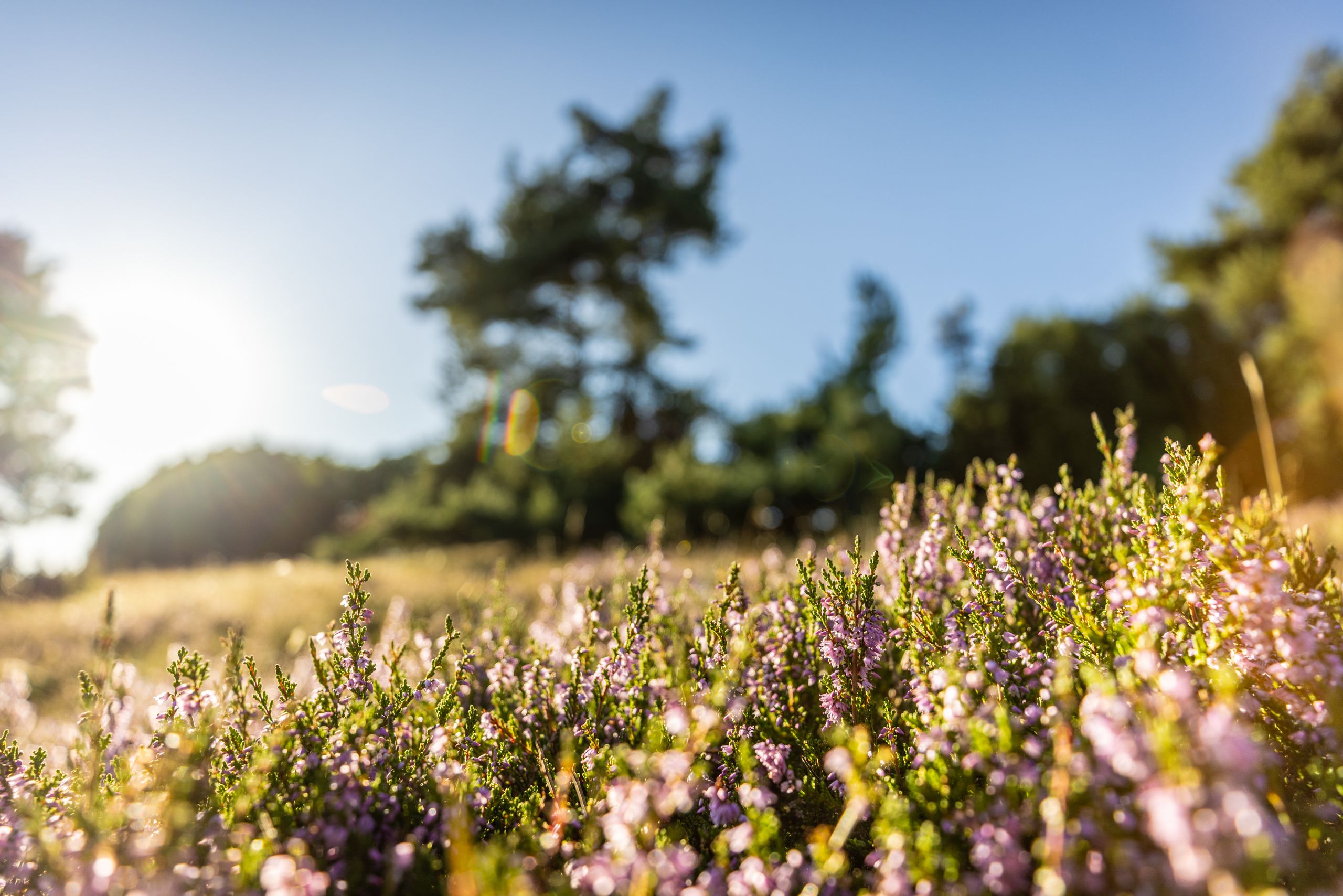
The Eifel is rich in moments of tranquility in nature—and its flora is as diverse as its landscapes. In the damp stream valleys of the north, wild daffodils herald the start of the blooming season in March and April. Later, between late April and early October, rare orchids unfurl their delicate splendor on the limestone-rich slopes in the south. Where the soil near Stolberg has been shaped by ore mining, the calamine violet—a botanical rarity found only here—blooms from May through August. On nutrient-poor plateaus, juniper defies the wind with its striking form—and from August through early September, heather turns the landscapes of the Vordereifel and the Drover Heide near Kreuzau violet.
Every place tells its own blossoming story—sometimes hidden, often surprising, always unique.
You can experience this plant diversity in a wide variety of places throughout the Eifel.
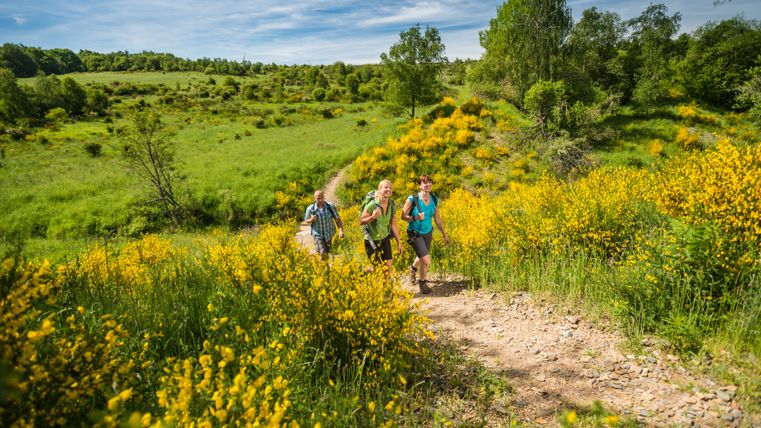
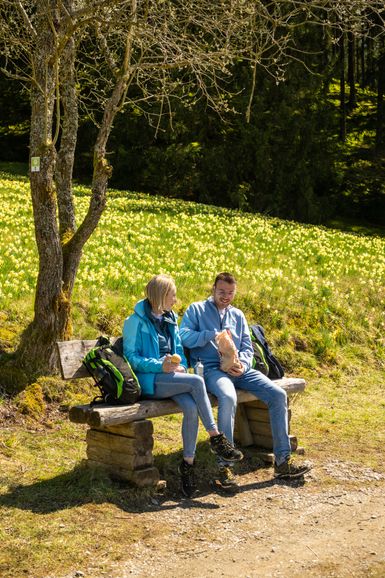
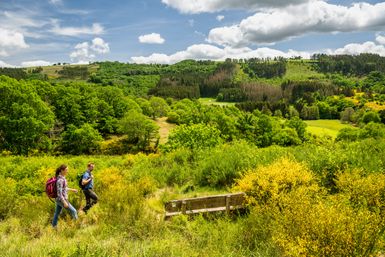
The blooming season in the Eifel begins as early as March with the first early-blooming flowers and lasts through September. In March and April, wild daffodils transform entire valleys into seas of yellow flowers. From late April through the summer, numerous orchids bloom; in May and June, the broom glows a vibrant yellow; and in August and early September, heather turns select landscapes purple. The exact blooming times depend on the weather and elevation.
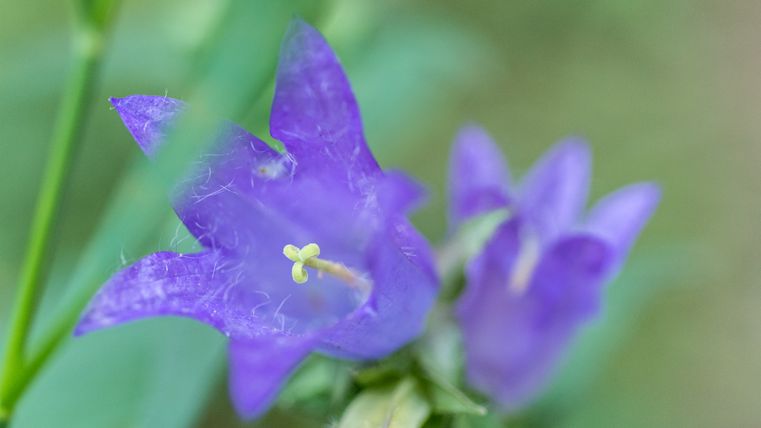
The Eifel is known for its extraordinary plant diversity. Visitors can discover wild daffodils, rare orchids, the calamine violet, broom, heather, and many other native wildflowers. Depending on the season, the region takes on ever-changing colors and offers unique experiences of nature.
The diverse landscape—featuring valleys, forests, plateaus, limestone slopes, and volcanic soils—creates ideal habitats for numerous rare plant species. As a result, the Eifel is one of Germany’s most biodiverse natural regions and offers a constant array of new floral highlights from spring through late summer.
You can also explore the Eifel in bloom over several days by bike or on a hike. Or you can discover the local flora with some animal companions.
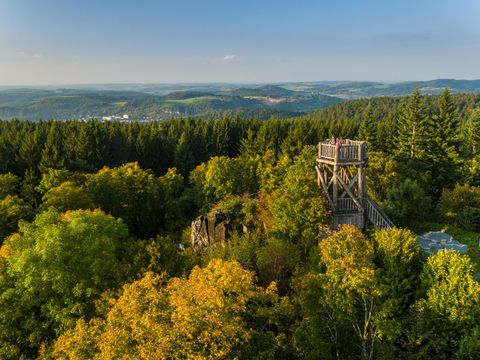
✔Distance hike ✔8 days ✔approx. 118 km ✔Steinfeld Monastery to Schalkenmehren
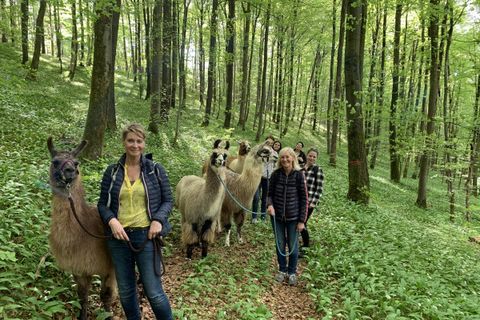
From March, a sea of green leaves covers the humus-rich forest floor beneath the still bare treetops: This is where wild garlic grows and exudes its irresistible scent. We hike with our llamas and alpacas to one of these wild garlic fields and harvest a few leaves with due care.
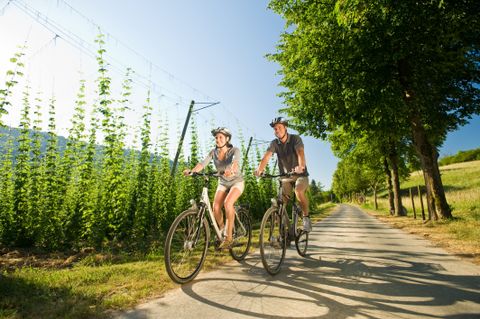
✔5 days ✔approx. 138 km in total ✔from/to Prüm ✔packed lunch