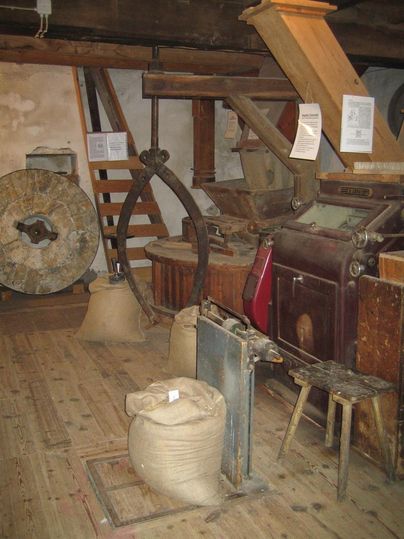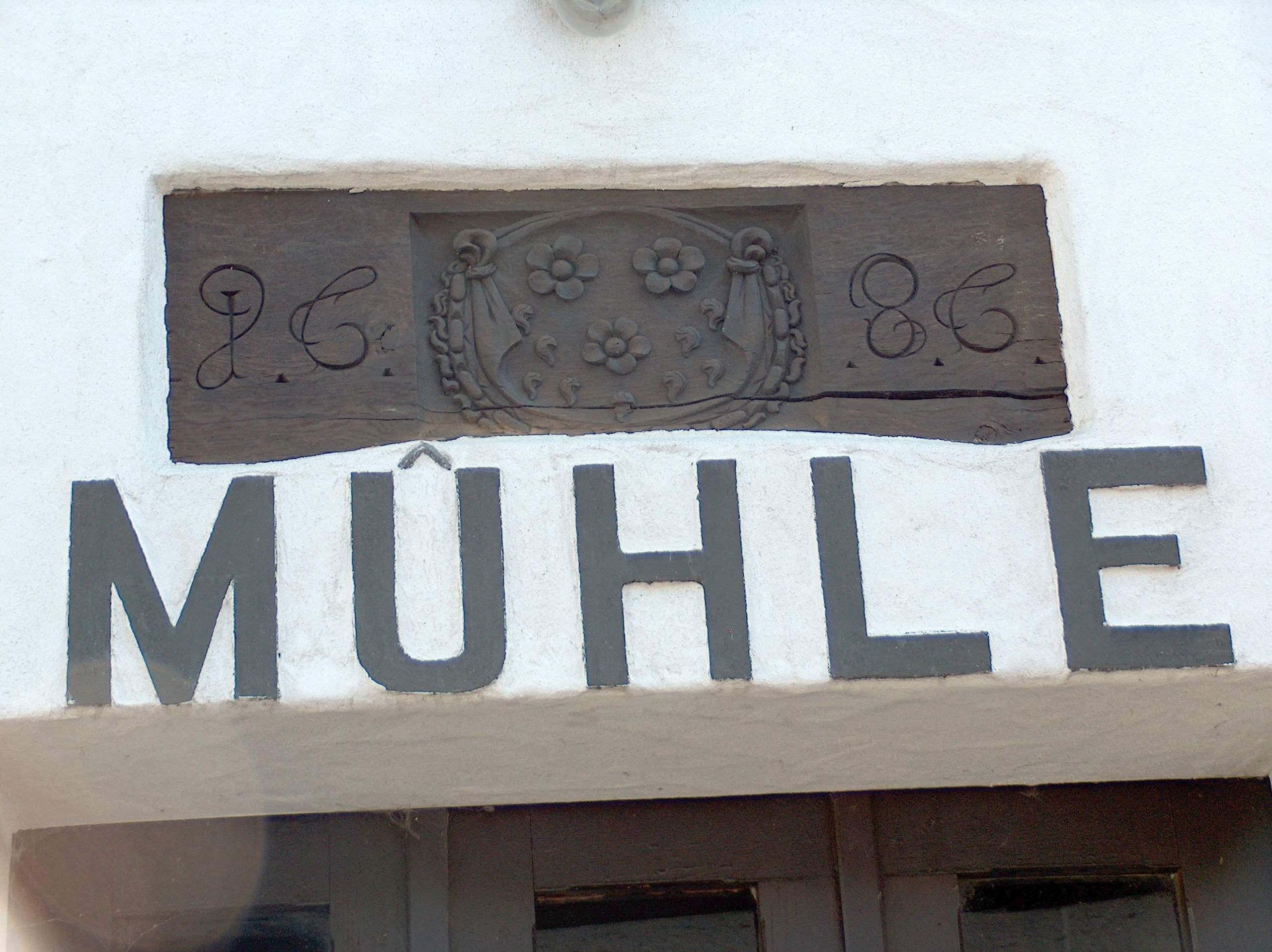
The art of hand weaving made Rupperath famous far beyond the town's borders. Years ago, a handloom community was founded that has earned an excellent reputation. In the museum rooms, the spinning wheel still whirs and the loom rattles. Hand-woven items ranging from the smallest gift to church chasubles are made here according to the old art.
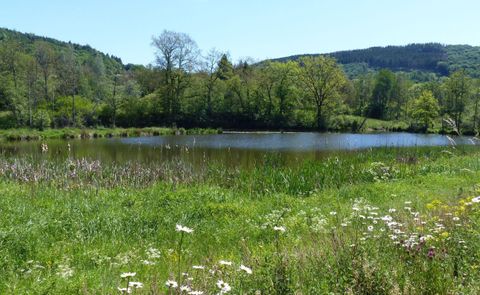
The Kolverather Drees (=source), like the Josendrees, lies directly on the Josenbach stream. Delicious sparkling water straight from the ground refreshes you along the way.
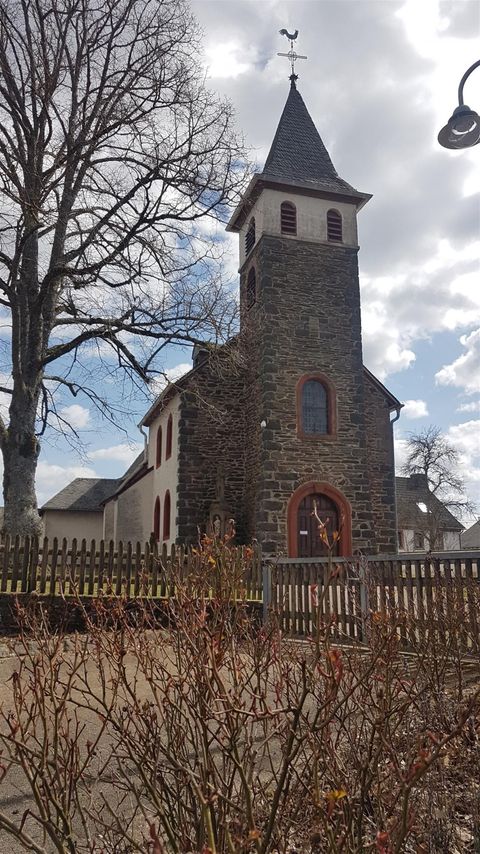
The baroque church was built in 1727 as a hall building made of plastered quarry stone. After the population in Weiler grew steadily until 1906, plans for a church expansion were drawn up by baumeister Rüppel from Bonn. The church was to be extended with basalt stones by the addition of a transept and a choir room in neo-Gothic style, along with sacristy buildings. In 1909 the "new" church could be solemnly consecrated. Particularly worth seeing is the Marienaltar, which was taken over from the "old" church.
This Eifel view from the highest point in the district of Düren (566 m above sea level) and directly on the district border with Aachen offers you an impressive distant view to the west over the Hürtgen Forest into the Aachen region and as far as the Dutch province of Limburg, and to the north into the Jülich Börde and the Cologne Bay.