Dehner Maar, Reuth
Reuth
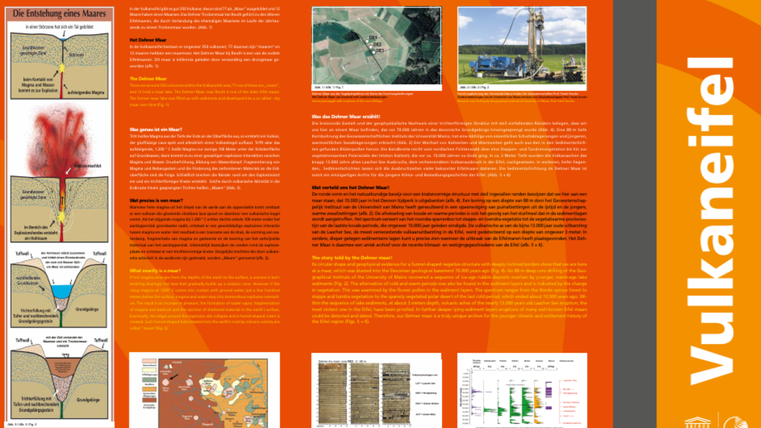
What exactly is a maar?
When hot magma rises to the Earth's surface, a volcano is formed that spews molten lava and gradually builds a volcanic cone. However, if the rising magma, which is 1,200 °C hot, encounters groundwater just a few hundred meters below the Earth's surface, a tremendous explosive interaction occurs between magma and water. The increase in pressure, formation of steam, fragmentation of magma and surrounding rock, and the expulsion of shattered material to the surface are the results. Eventually, the edges around the explosion site collapse, creating a funnel-shaped crater. Such craters that are blasted into the Earth's crust by volcanic activity are called "maars".
What the Dehner maar tells!
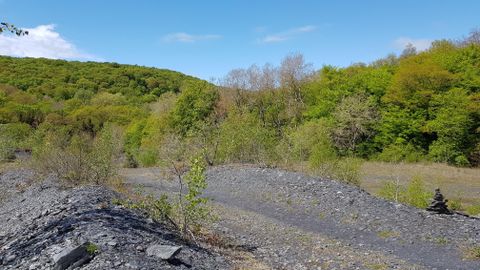
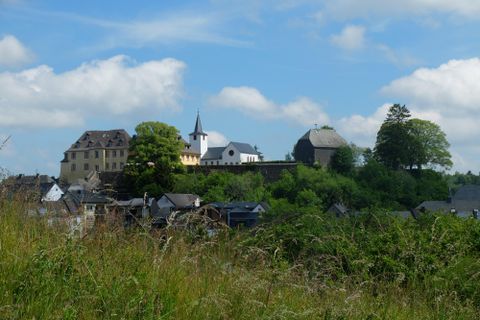
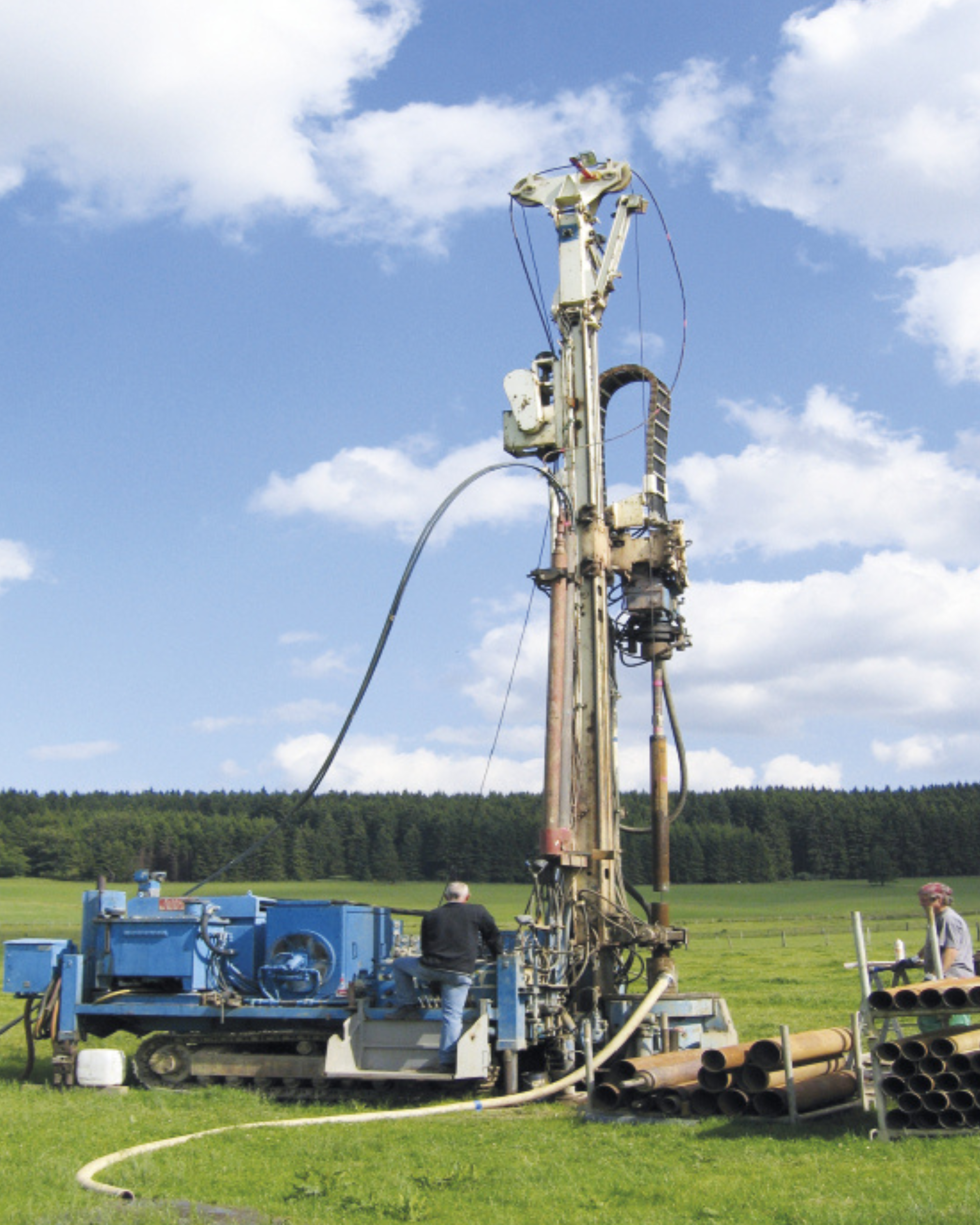
The circular shape and geophysical evidence of a funnel-shaped structure with steeply inclined edges demonstrate that we are at a maar that was blasted into the Devonian basement rock tens of thousands of years ago (Fig. 4). An 88 m deep core drilling by the Geoscientific Institute of the University of Mainz has revealed a sequence of glacial debris layers and younger, interglacial lake deposits (Fig. 2). The alternation of cold and warm periods is also indicated by the pollen found in the sediment layers. The range extends from northern spruce forests to steppe and tundra vegetation, all the way to the vegetation-poor polar desert of the last cold period that ended about 10,000 years ago.
At a depth of about 3 meters, volcanic ash from the nearly 13,000-year-old Laacher See eruption, the most devastating volcanic eruption in the Eifel, has been detected. The sediment layering in the Dehner maar is thus a unique archive for the more recent climate and settlement history of the Eifel.
Impressions
Contact
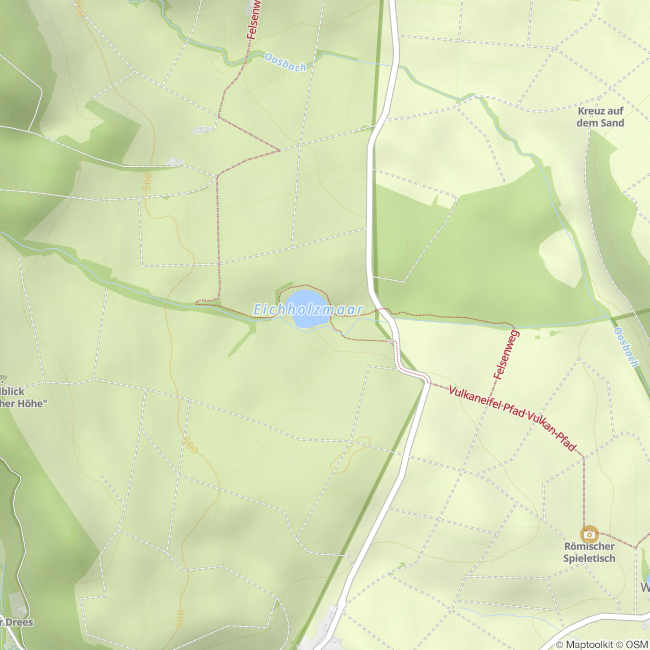
Dehner Maar
Dreesweg
54597 Reuth