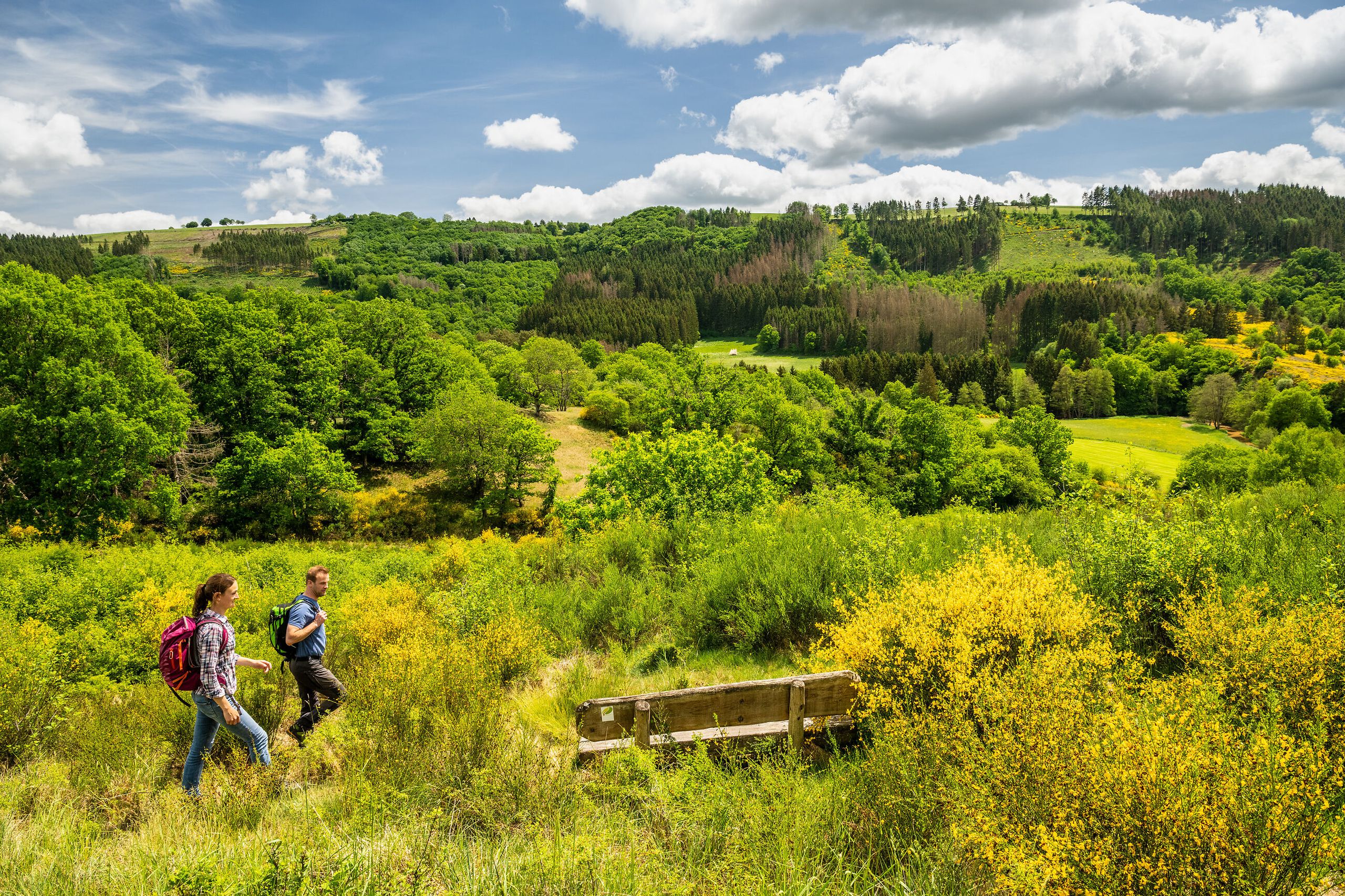
When the landscape shines in gold
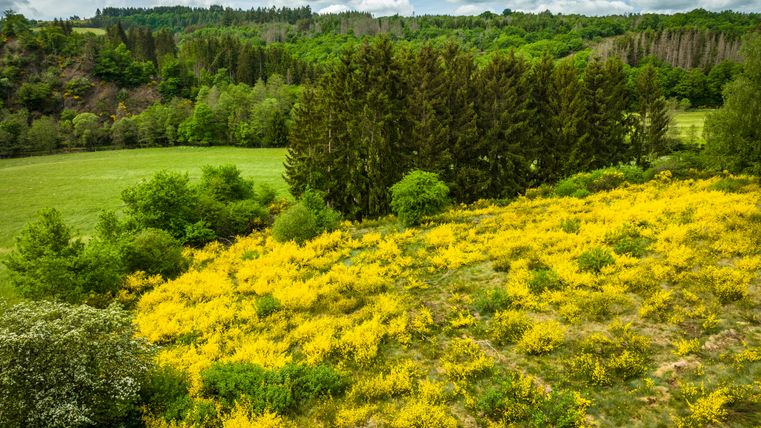
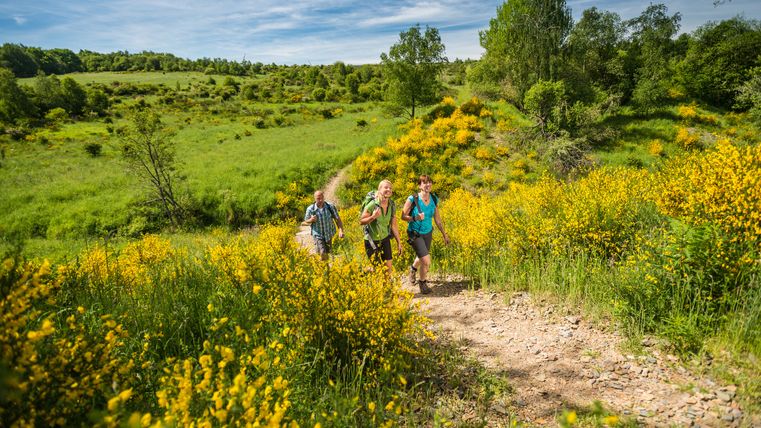
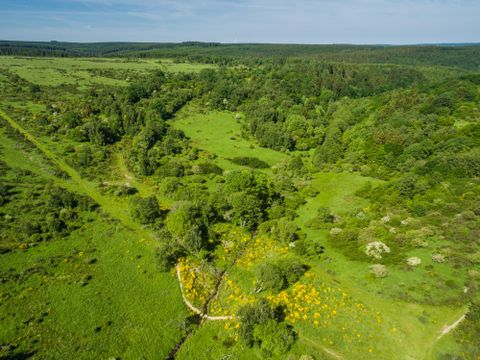
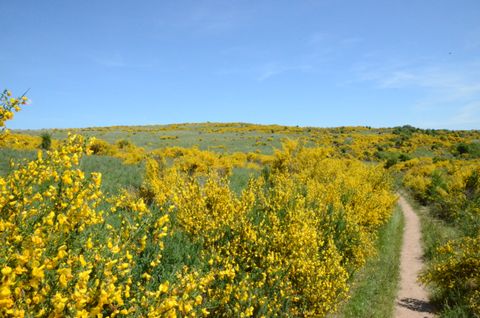
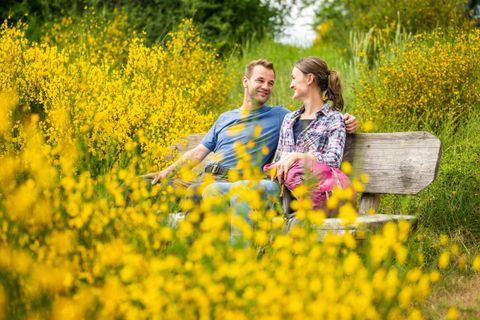
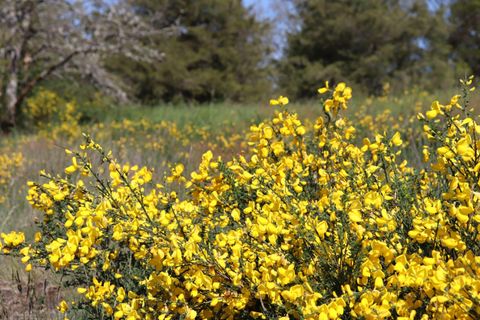
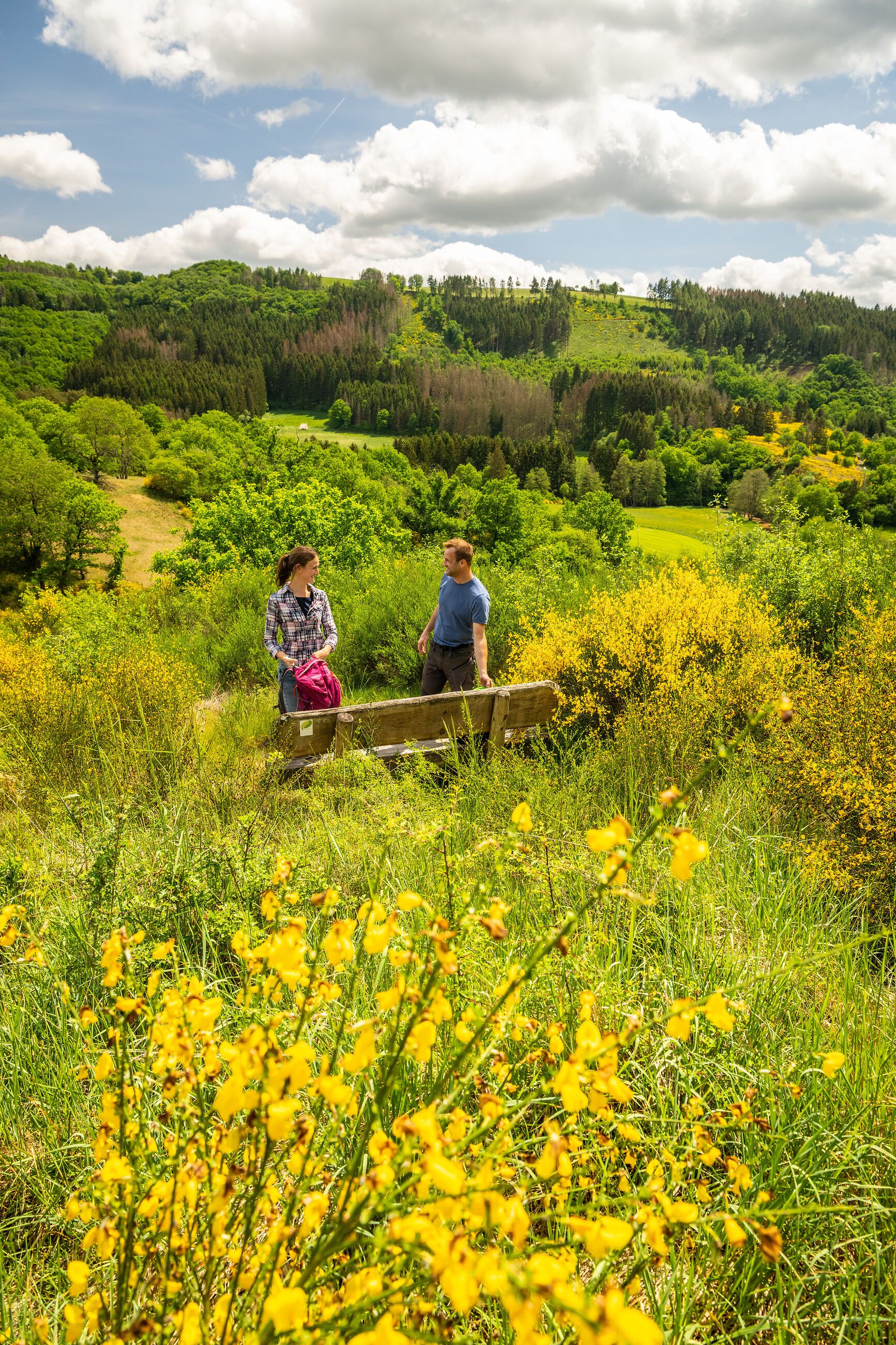
When the sun rises higher in May and June and the air shimmers over the plateaus, a natural phenomenon begins in the Eifel that you won't forget: the broom bathes entire areas in a bright, almost unreal yellow. What initially appears to be individual splashes of color along the roadside becomes a widespread spectacle within a few days. The broom blossom on the Dreiborn plateau in the Eifel National Park and in the Irsental valley near Daleiden is particularly impressive.
But this blossom is more than just a beautiful sight. It tells of geology, history and a cultural landscape that has grown over centuries.
A pioneer on barren soils
Strictly speaking, broom is not a "true" broom, but is botanically part of the white clover family and is therefore closely related to beans and peas. As a typical legume, it binds nitrogen in the soil and thrives where other plants have long since capitulated: on poor, dry, nutrient-poor sites. Its roots reach deep into the ground, its branches bear a profusion of characteristic yellow butterfly flowers in early summer, which make almost every branch disappear beneath them in June.
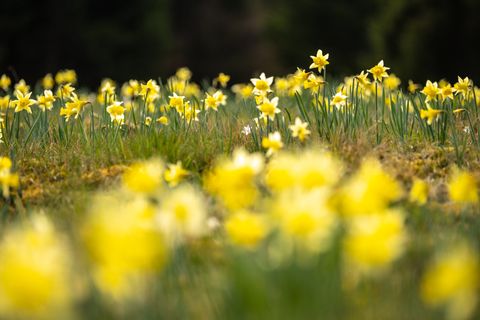
Gorse is a valuable source of food for insects. Bees, bumblebees and numerous butterfly species benefit from its rich pollen supply. At the same time, you should know: Like the wild daffodils of the Eifel, broom also contains poisonous alkaloids. Its seeds are inedible for humans. The name "broom" refers to an earlier use - the elastic branches were once used to make brooms. An inconspicuous detail that shows how closely nature and everyday culture were intertwined.
Cultural landscape instead of wilderness
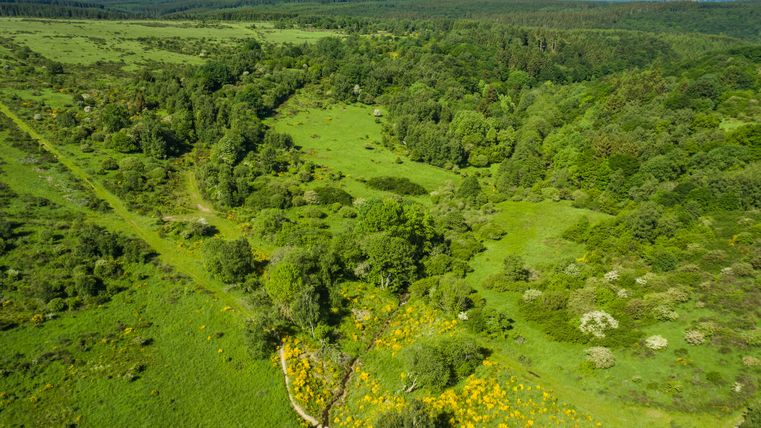
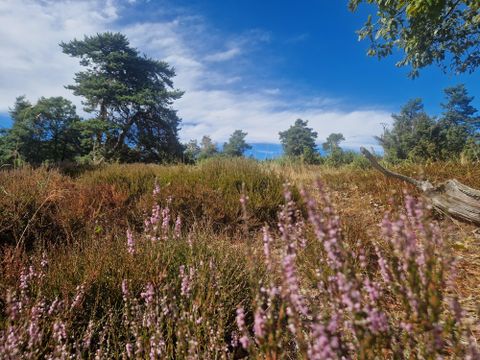
The golden broom heaths are no accidental product of untouched nature. They are the result of centuries of extensive use. Grazing with sheep and goats, clearing and agriculture on poor soils created the open heathlands that are now considered ecologically valuable cultural biotopes.
With the intensification of agriculture and large-scale afforestation, many of these open landscapes were pushed back in the 19th and 20th centuries. Without care, forests would quickly spread here again. The fact that you can still experience flowering broom heaths today is thanks to targeted landscape conservation programs.
Depending on the altitude and weather conditions, the broom blossom lasts from May to June.
It is precisely its transience that makes it so attractive: For a few weeks, the Eifel is covered in gold before the other colors of summer take over.
You can find gorse in many places in the Eifel, the gorse blossom here is particularly impressive:
The broom is a pioneer plant that feels particularly at home on barren soils. It was once a natural part of the open heathland landscapes created by centuries of grazing. However, with the intensification of the landscape and the afforestation of many heathland areas, gorse was pushed back. In the Eifel, it has survived in many places to this day and characterizes the landscape in the months of May and June, shaping vast heathland and open landscapes as "Eifel gold".
Yes, the broom is slightly poisonous; its seeds in particular contain alkaloids and are inedible for humans.
Broom twigs were once used to make brooms. These brooms were particularly robust and were mainly used in rural areas to sweep yards, stables and roads. Broom brooms were also used in the home, especially on clay soils, as they raised less dust than other types of broom.