Between zinc and stone
The copper town of Stolberg uniquely combines industrial history with the natural environment. For centuries, galena—a zinc-bearing ore—shaped the region’s economic development. Together with copper, it was processed into brass—a material that made Stolberg a major center of metalworking in the Middle Ages.
Along the Vichtbach stream, copper works, hammer mills, and smelting houses sprang up, traces of which you can still discover in the cityscape today.
From Ore to the City of Brass
Galena was a key raw material for brass production for a long time. Mining and metalworking brought prosperity to Stolberg and made the city an important hub of the European metal industry. Even today, historic buildings and former production sites serve as reminders of this formative era.
The Galmei violet – a botanical rarity
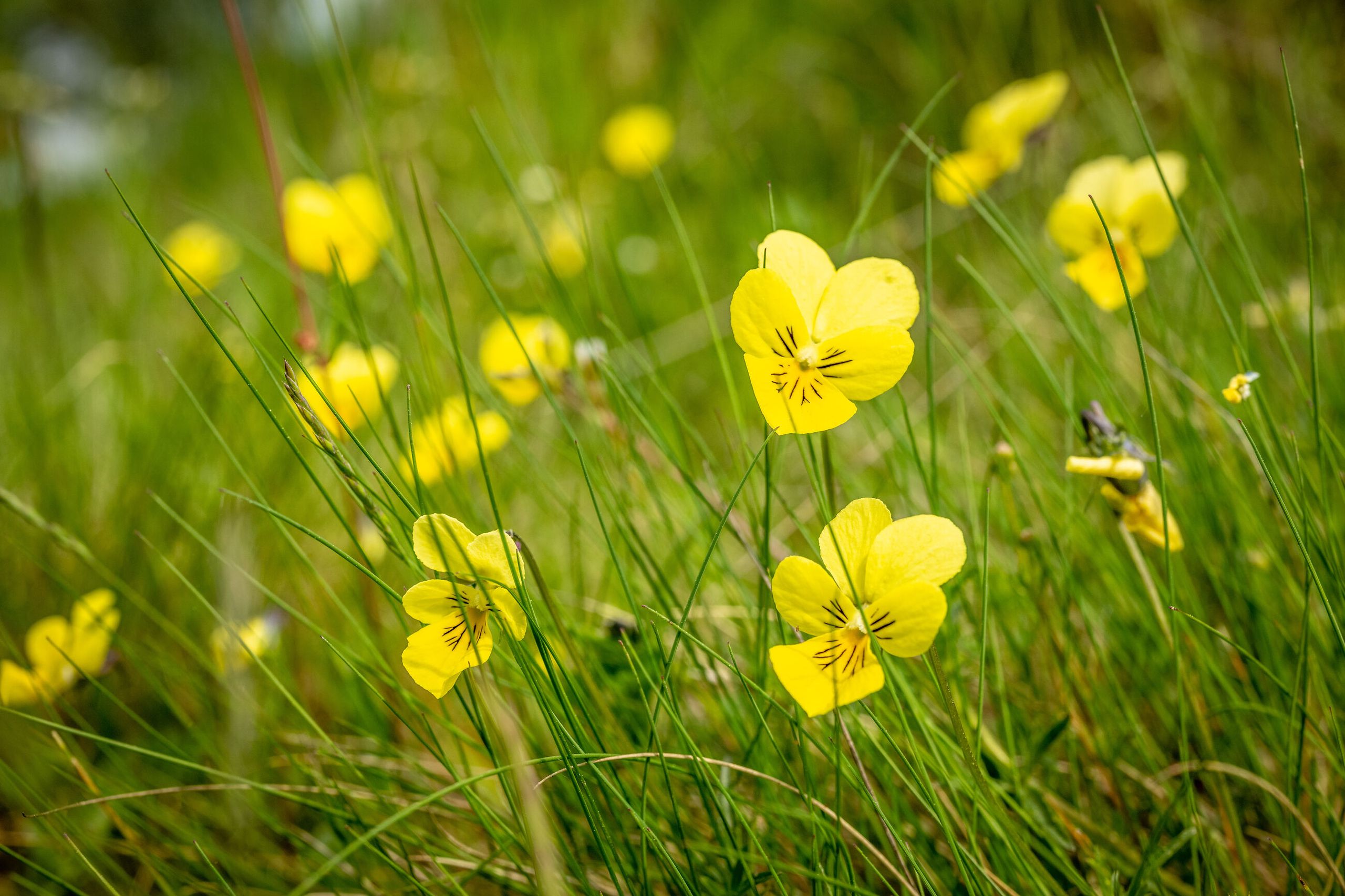
Centuries of ore mining have not only left economic traces but also given rise to an extraordinary flora. The so-called galena flora developed on the heavy-metal-rich soils of former mining areas. Particularly well-known is the galena violet, a rare plant found only in the region around Stolberg and Aachen that blooms from May into the summer.
You can discover this special botanical rarity primarily in the Schlangenberg Nature Reserve near Breinig. Here, the calamine violet grows on open ore dumps and dry grasslands—an impressive example of how nature adapts to extraordinary conditions.
Experience history: Stolberg Castle and Zinkhütter Hof
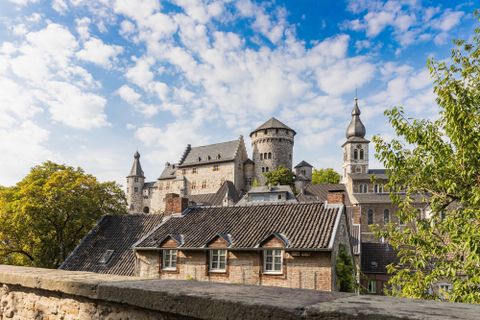
Stolberg also has a lot to offer culturally. Towering high above the old town is Stolberg Castle, whose origins date back to the 12th century. With an augmented reality app, you can join the castle’s former owner, Moritz Kraus, on an exciting journey through time straight back to the Middle Ages.
You’ll gain a deeper insight into the region’s industrial past at the Zinkhütter Hof, a museum dedicated to the region’s industrial, economic, and social history.
Active adventures around Stolberg
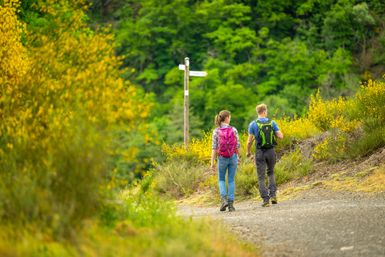
If you want to explore Stolberg on the go, you’ll find numerous hiking and biking trails around the city. They lead you to the Galmei violets, past historic industrial sites, and to scenic overlooks of the landscape.
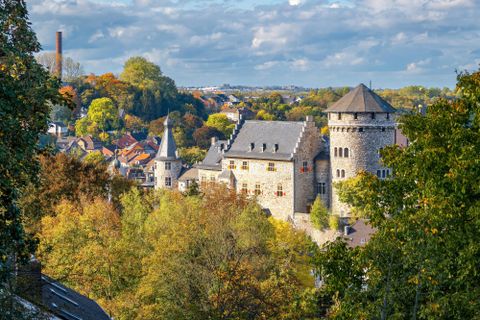
After extensive restoration and loving design, we are opening the doors to a place that brings history to life. Immerse yourself in times gone by, discover exciting exhibitions and experience the BURG in new splendor.
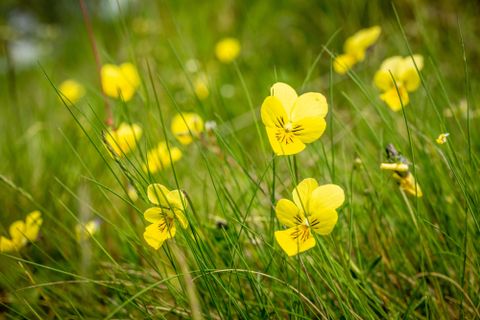
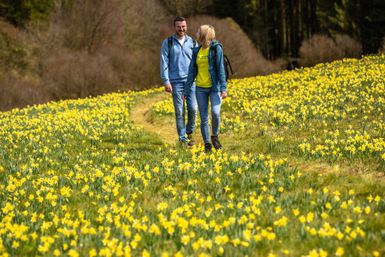
The unique galmei violet in and around Stolberg is particularly evident from May to August. Galmeiflora or galmei vegetation is the botanical name of two plant communities of metallophytes on soil containing heavy metals.

Stolberg - Zweifall - Kitzenhaus
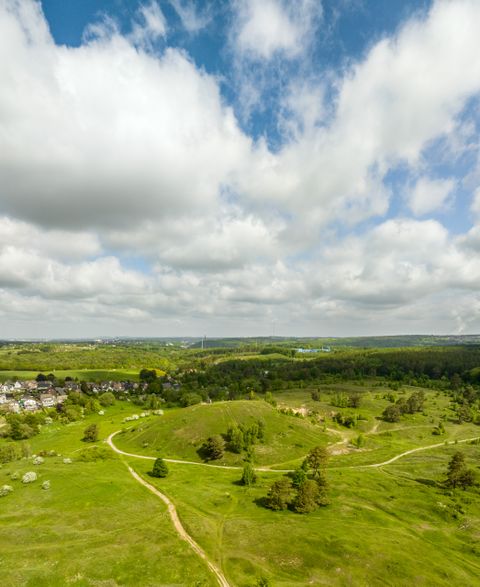
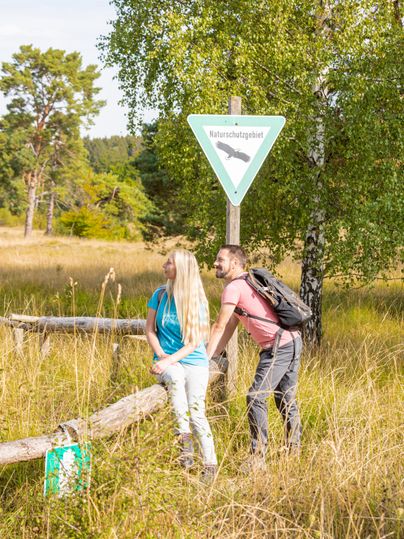
In the Schlangenberg nature reserve in Stolberg, you can discover all kinds of mining relics all year round and the rare galmei violet in the summer months.
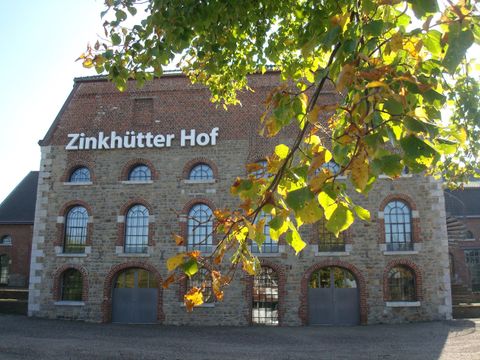
As a museum for industrial, economic and social history of the Aachen region, Zinkhütter Hof shows the development of one of the oldest industrial regions in Central Europe. A unique testimony to local industrial history is the Zinkhütter Hof itself...
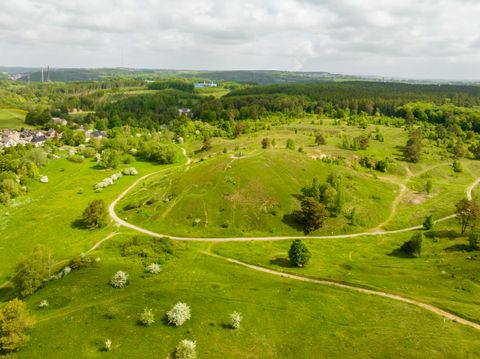
In the realm of galmei plants
A heart for ore: experience a landscape that has been shaped by mining and metal processing for centuries on this time loop along the course of the River Inde.