Copyright: Städteregion Aachen, Dominik Ketz
Am Waldrand – die erste Linie gegen den Klimastress
Stolberg
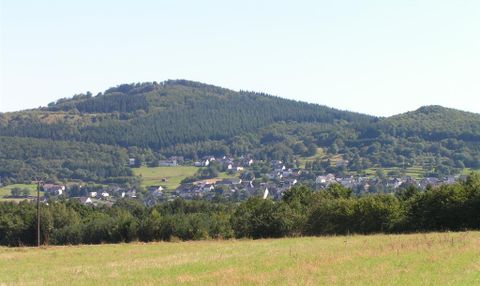
At the edge of the forest, the forest shows its open side - and its most vulnerable side. This is where sun, wind and moisture come into direct contact. In summer, it quickly becomes hot and dry and many trees come under stress: bark overheats, leaves dry out.
Shallow-rooted trees such as spruce have a particularly hard time because their roots do not reach deep enough. At the same time, the edge of the forest is a place full of life: Red-backed shrikes, yellowhammers, rare plants and insects find their place here.
To keep it that way, it needs care and diversity: mixtures with deep-rooted oaks and beeches, a shrub layer and buffer strips make this zone more resilient to climate change.
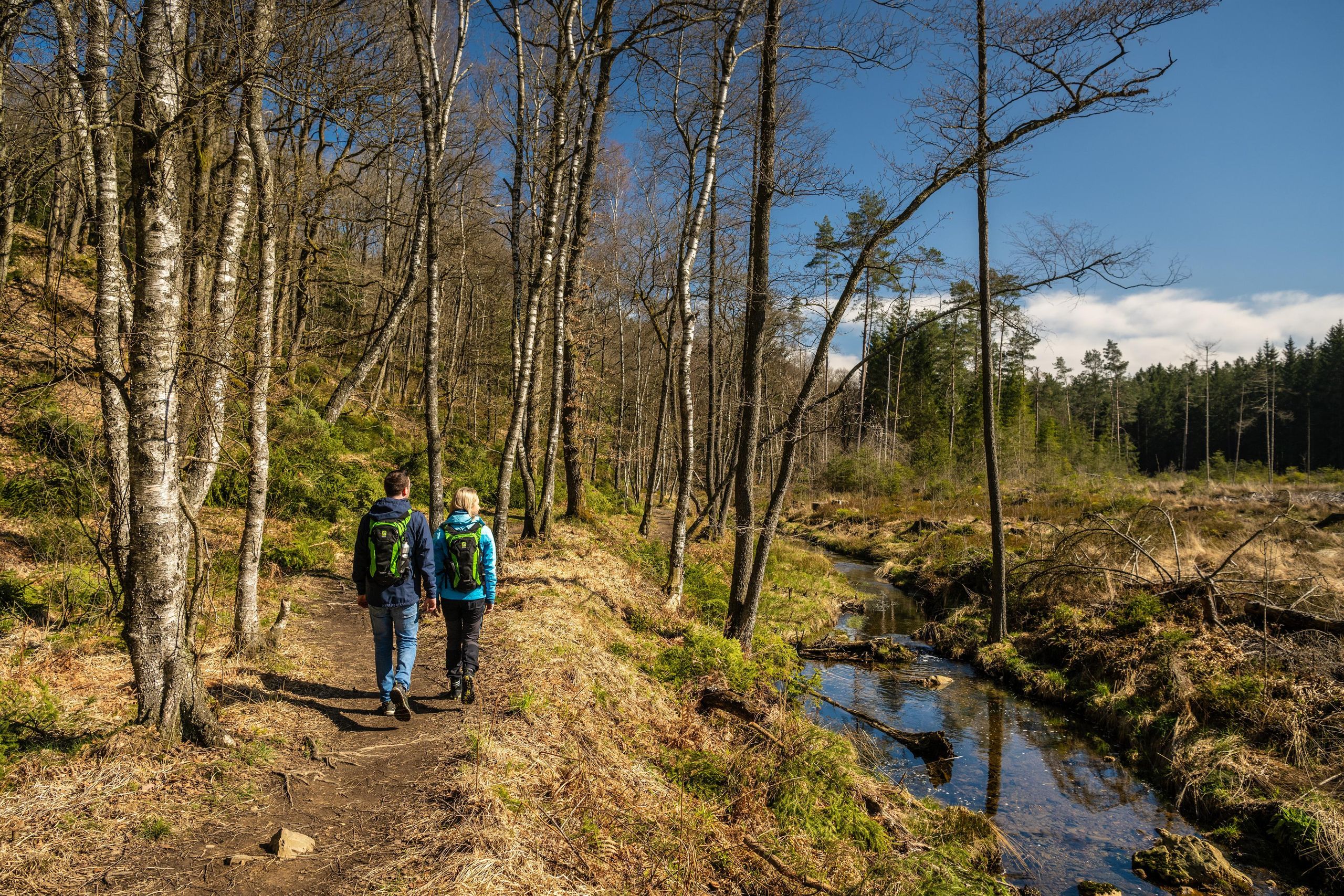
Tip for on the go: look out for small changes as you walk - different tree bark, moss on the trunks or rustling in the undergrowth. Many things that seem inconspicuous are already telling us about the changes in the forest.
Shallow-rooted trees such as spruce have a particularly hard time because their roots do not reach deep enough. At the same time, the edge of the forest is a place full of life: Red-backed shrikes, yellowhammers, rare plants and insects find their place here.
To keep it that way, it needs care and diversity: mixtures with deep-rooted oaks and beeches, a shrub layer and buffer strips make this zone more resilient to climate change.
Tip for on the go: look out for small changes as you walk - different tree bark, moss on the trunks or rustling in the undergrowth. Many things that seem inconspicuous are already telling us about the changes in the forest.
Impressions

Contact
Rundweg Venwegen
52224 Stolberg