Copyright: Eifel Tourismus, Dominik Ketz
Struffelt Heide - Naturschutzgebiet
Roetgen
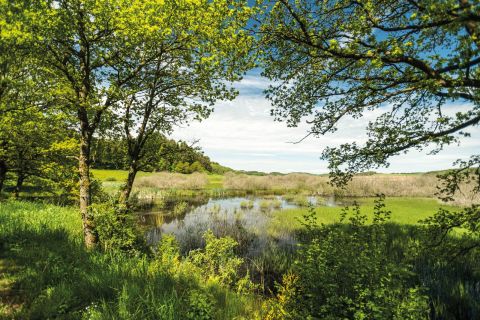
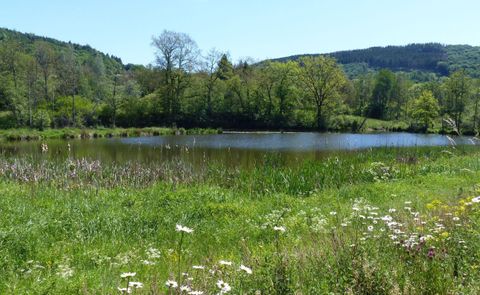
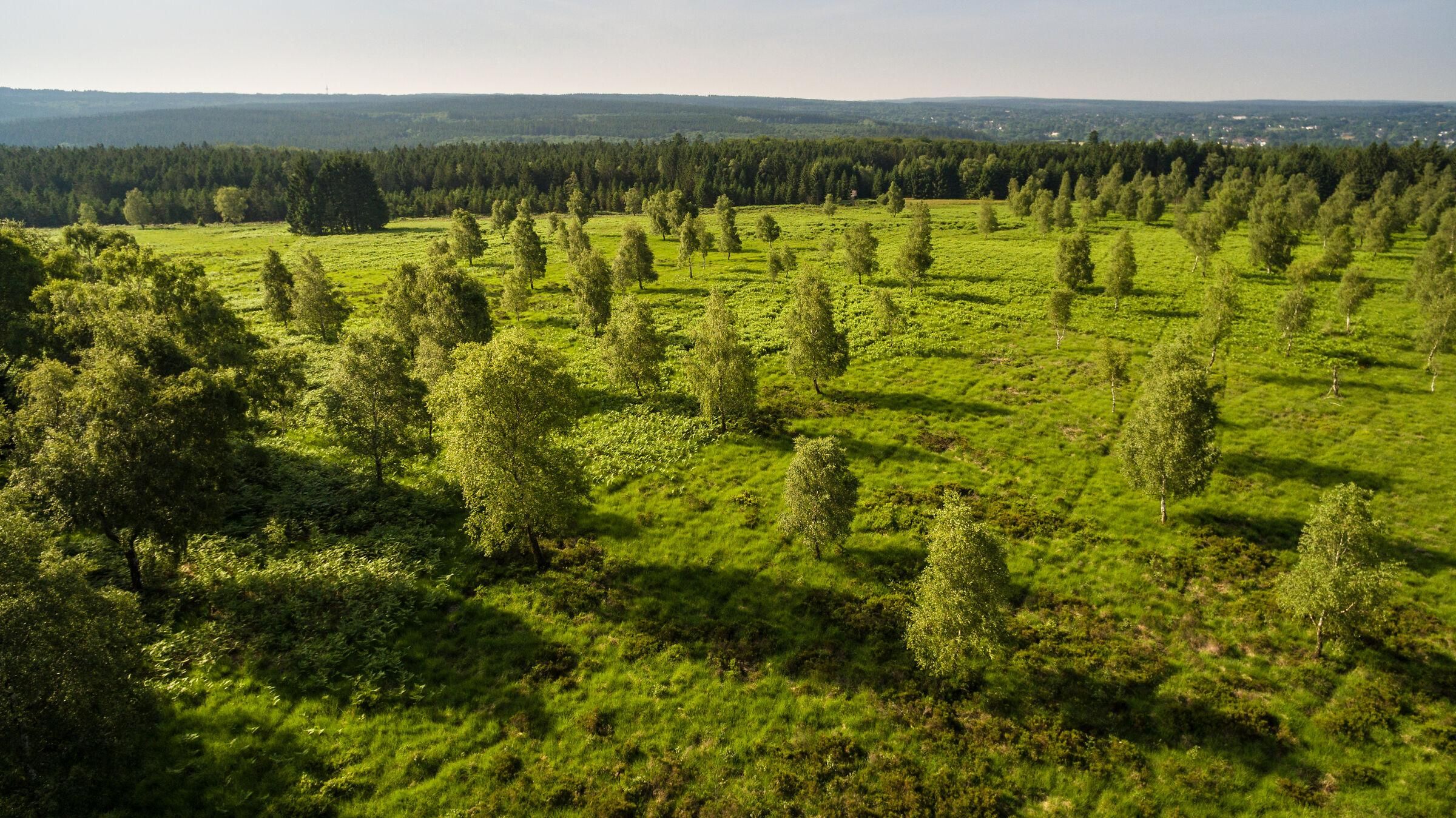
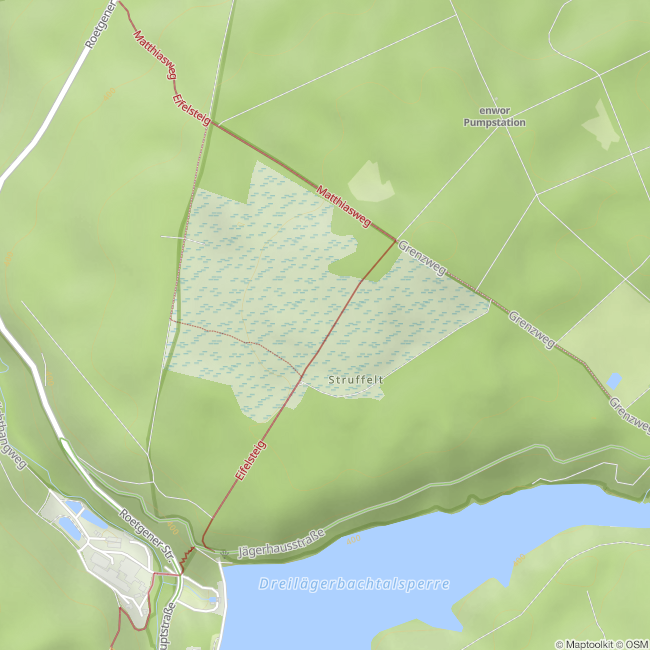
The nature reserve Struffelt south of Roetgen-Rott appears calm and reserved at first glance, but upon closer inspection, it reveals an astonishing depth. Covering around 118 hectares, an open heathland rises from the surrounding forest sea on the hilltop – a landscape that did not arise naturally, but is the result of centuries of human use. Coppicing and woodland grazing have shaped an open landscape here, which today counts among the most valuable habitats of the Northern Eifel.
The Struffelt heath is a mosaic of different site conditions. In the moist areas, where the clayey, water-retaining substrate regularly retains moisture, heather (Erica tetralix) dominates. Its delicate, pink flowers are a subtle hint to the peaty qualities of this place. In the drier areas, on the other hand, common heather (Calluna vulgaris) characterizes the landscape – robust, undemanding, yet highly specialized ecologically. These fine differences make the Struffelt a hotspot for biodiversity and a striking example of how closely intertwined landscape history and species diversity are.
When traditional use was largely abandoned in the 20th century, the landscape began to close up. Bracken spread out, shrubs took over, and light-loving species lost their habitats. To counteract this development, a management concept was developed in 2003 under the leadership of the Biological Station – in close coordination with the Hürtgenwald Forestry Office, the Lower Nature Conservation Authority of the Aachen region, the Rott Local and Eifel Association, and other stakeholders. The goal was not only to preserve the open character of the heath but also to purposefully develop it further.
A central element of this concept is the grazing of sheep, which mimics traditional woodland grazing. Additionally, classic management measures such as pollarding, mulching, or scraping were implemented in parts to regenerate the heath communities. The success of this long-term work is clearly visible today: Where bracken once dominated, typical, partly endangered plant species of the heath and moorland are once again spreading. Permanent plots – predefined study areas – enable scientific monitoring of this development and continuous evaluation of the effects of the measures.
The birdlife also responds sensitively to the changed habitat conditions. The open heath areas with sparse tree cover are ideal breeding grounds for the tree pipit (Anthus trivialis) and the whinchat (Saxicola torquata), whose populations reached their highest level since monitoring began in 2004 in 2020. Particularly remarkable is the return of the nightjar: After decades of absence, this specialized species found suitable habitats in Struffelt again in 2020 – a striking evidence that consistent care and patience in nature conservation yield results.
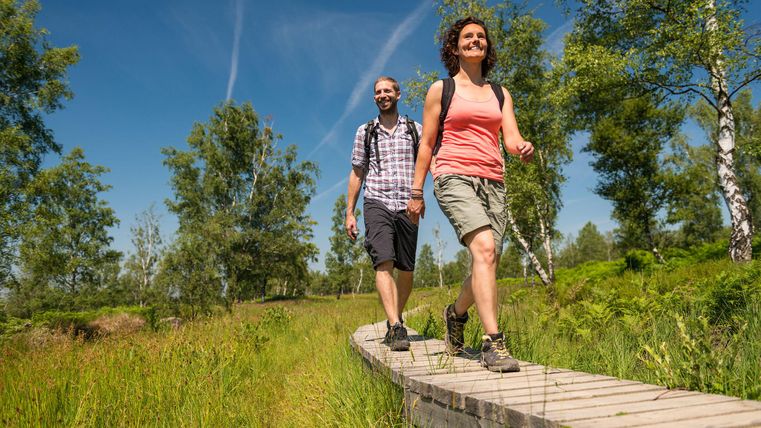
Today, those walking over the open heathlands of Struffelt experience not a staged natural landscape but a sensitively calibrated cultural space that shows how historical knowledge, ecological expertise, and long-term commitment can work together. Further information on the development of the area is provided, among other things, by a professional publication in “Nature in NRW” from 2016, which impressively documents the previous results of the management.
Impressions
Contact
Struffelt Heide
52159 Rott