Copyright: Jens Mieckley
Montanhistorischer Rundweg
Type of tour:Hiking
-Difficulty:easy
Duration1:30 h
Length6.6 km
Ascent103 hm
Descent103 hm
Elevation profile
Description
The Stolberg mining history circular trail leads to the relics of the once important ore mining industry around Stolberg. Along the route, information boards offer fascinating insights into the history of zinc and lead mining, formative mines such as Diepenlinchen and Albertsgrube and the development of the region from open-cast mining to industrial culture. Ideal for anyone who wants to experience industrial history up close.
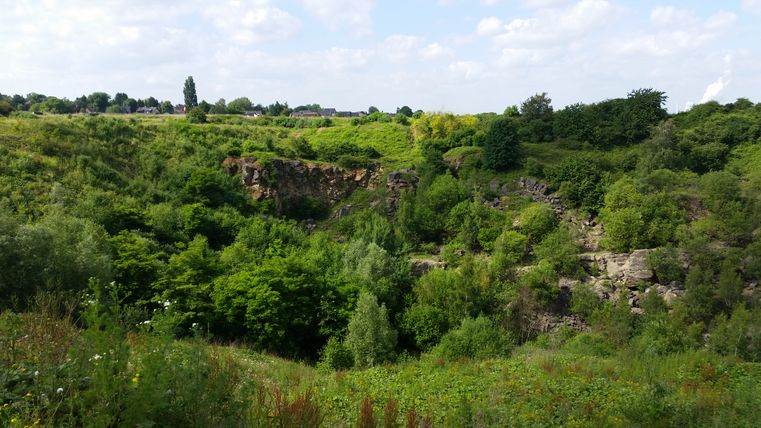
The Stolberg Mining History Circular Trail leads along the still visible relics of historic ore mining in the Stolberg area, in particular along the main mining areas for zinc and lead to the right of the Vicht. Visitors can discover the remains of the famous Diepenlinchen and Albertsgrube mines, which once formed the backbone of the region's mining industry.
Zinc and lead ores have been mined in the Stolberg area since ancient times and, together with coal and iron, played a key role in the industrial development of the town of Stolberg. In the heyday of industrial ore mining between 1829 and 1919, numerous mines were built along the limestone bands that run through the town from southwest to northeast. The Diepenlinchen, Albertsgrube, Römerfeld and Hammerberg mines are located on the right-hand side of the Vichttal valley, while the Breinigerberg, Büsbach and Glücksburg mining areas were located on the left-hand side.
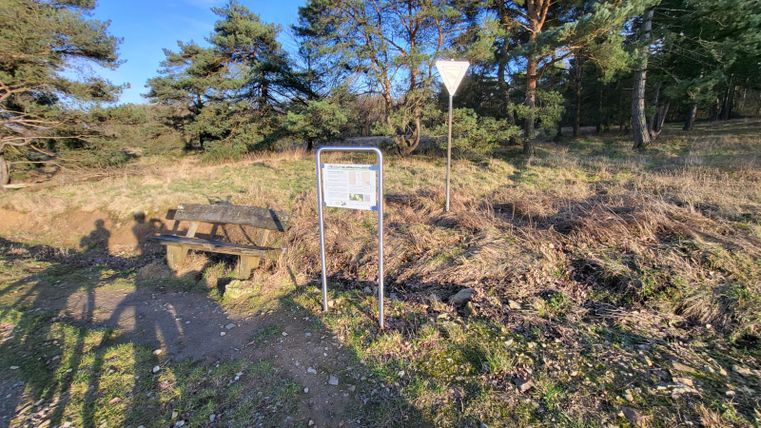
Before industrial exploitation, the deposits were mostly mined close to the surface in open-cast mines in small and micro-concessions. Today, traces of these mining activities are still visible, even if they are not always immediately recognizable. The Montanhistorischer Rundweg has been equipped with informative signs to give visitors an understanding of the local mining history, to preserve the historical heritage and to make the significance of Stolberg ore mining for the region tangible.
- Identification color: green
- Length: 5.8 km
- Duration: 1.5 hours
Further information at: https://stolberg-aktiv.de/montanhistorischer-rundweg/