
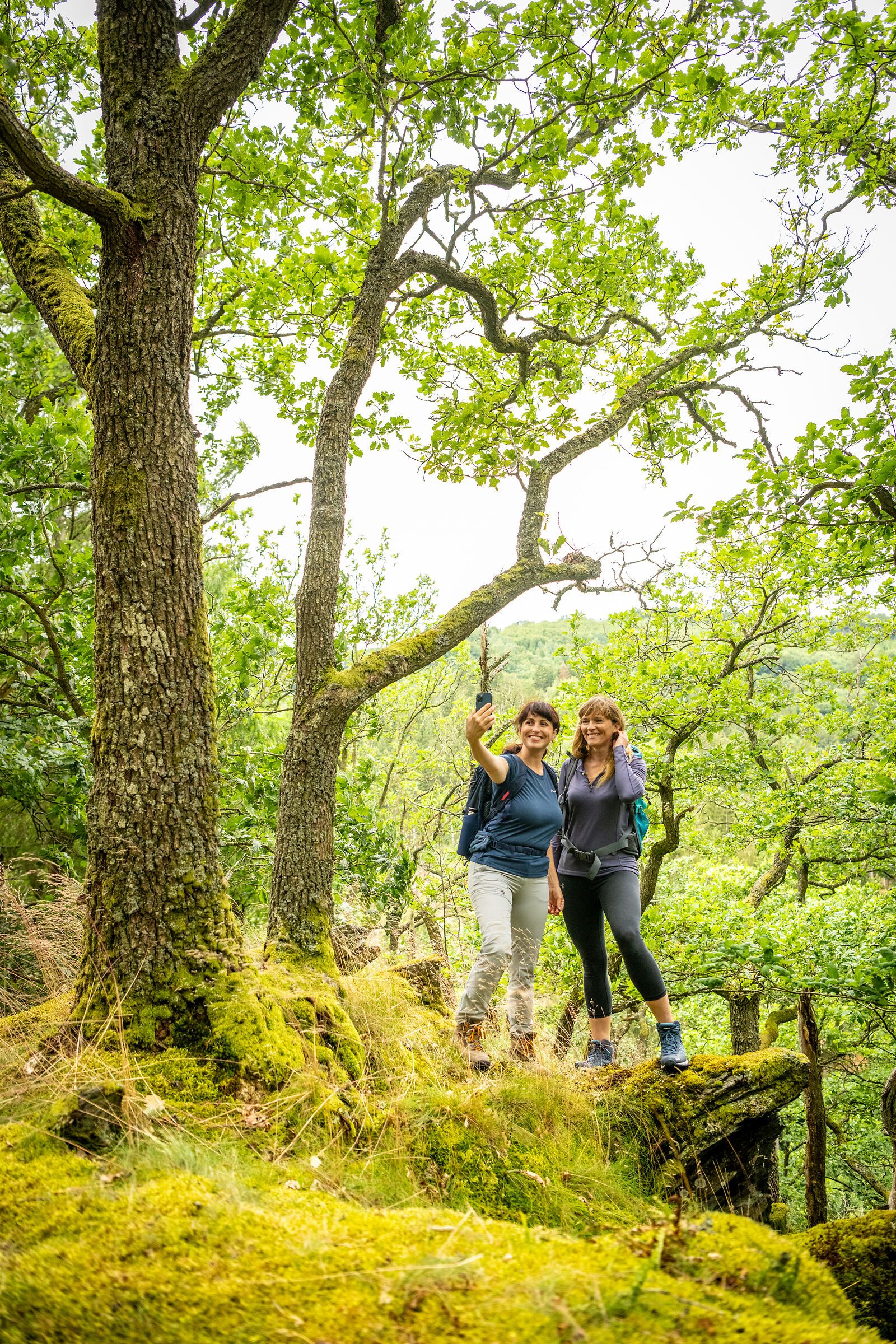
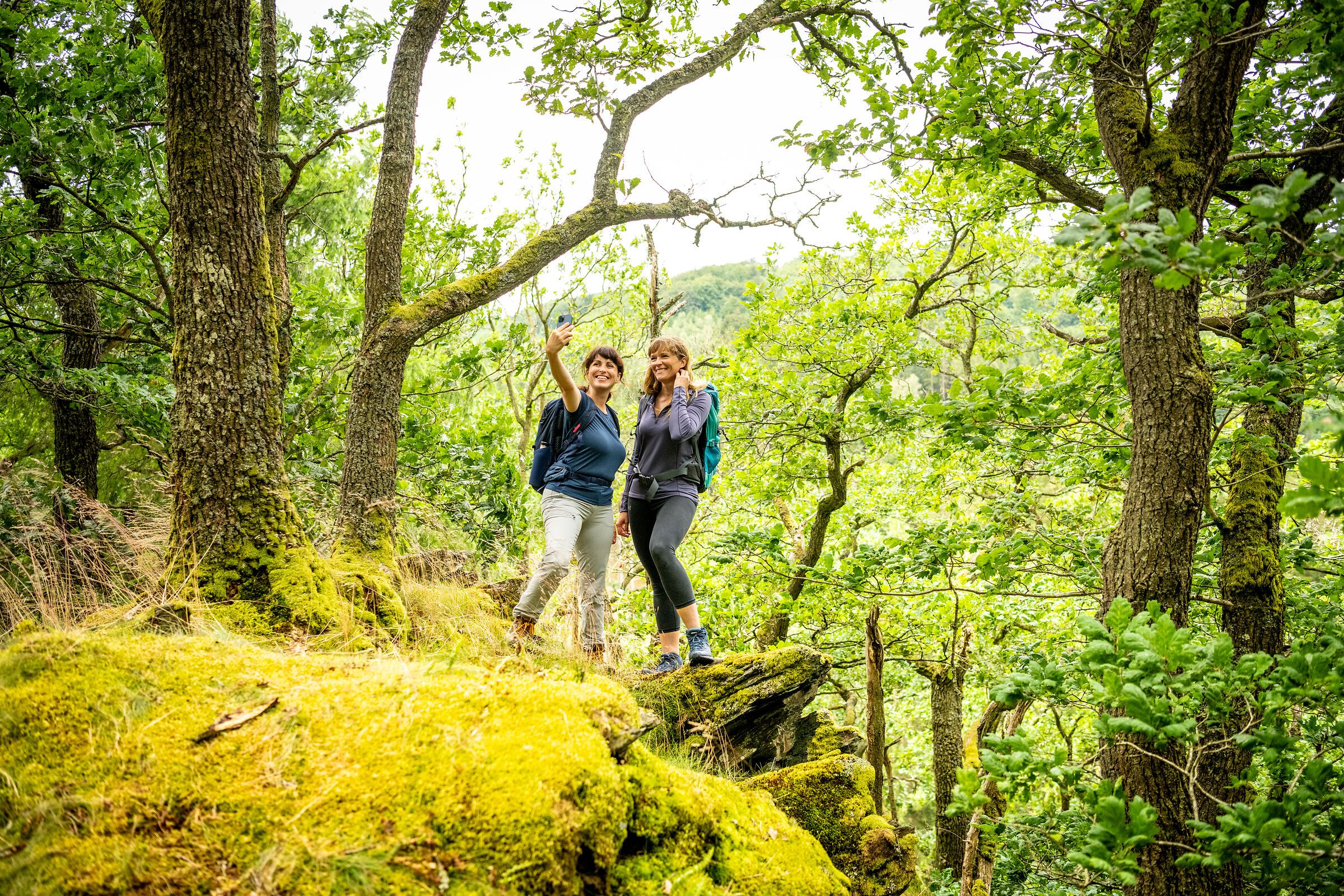
In the Eifel, every path leads you not only through breathtaking landscapes, but also through centuries of history, traces of ancient cultures and deep experiences of nature. Between volcanic rocks and gentle mountain ranges, quiet valleys and sunny juniper heaths lies your very own personal path - and you can now easily find it with the new hiking tour finder.
Whether cultural-historical, natural, sporty or meditative - each hiking route tells its own story. You decide what you want to discover: the rugged rock formations of the Devil's Gorge, the mighty reservoirs and the primeval forest of tomorrow in the Eifel National Park, the wide plateaus in the wild Islek, the powerful volcanic landscape or the rushing natural spectacle at the highest waterfall in the Eifel.
Plan individually. Experience it authentically. Immerse yourself deeply.
With just a few clicks, you can find the tour that suits your rhythm - by difficulty, length or theme.
The hiking tour finder is your compass for discovering the natural landscapes of the Eifel
Find a tour now and start hiking:
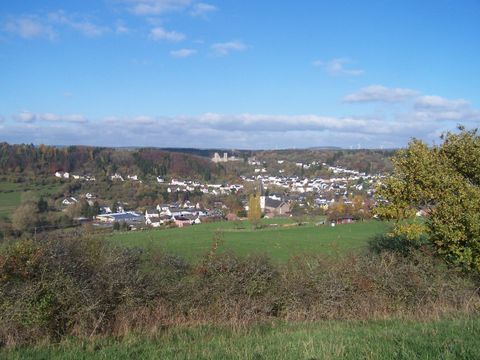
The historic castle town of Schönecken is nestled in the Nims valley. The 5.8 km long panoramic trail is characterized by impressive views of the town, sweeping vistas and the ruins of Schönecken Castle behind you.
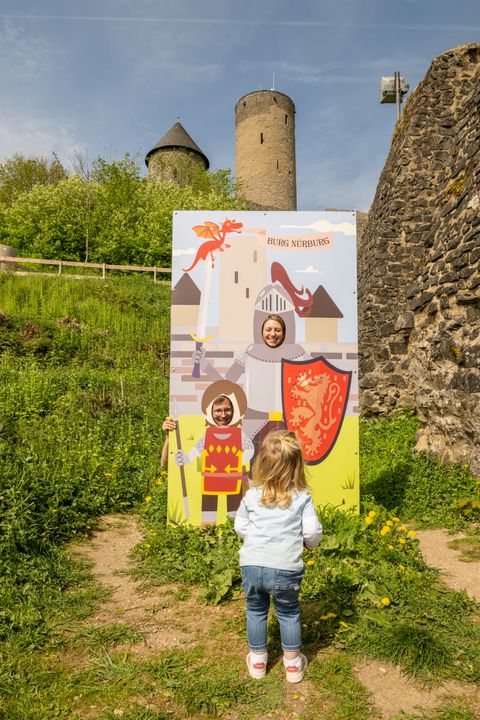
The small castle tour is a beautiful walk around the castle ruins of Nürburg with beautiful views of the Hocheifel-Nürburgring region.
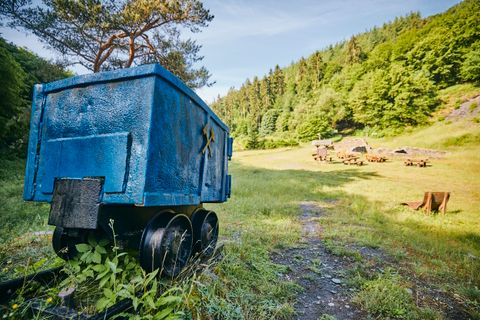
A rich and varied experience: the Kaulenbachtal slate region circular hiking trail in Schieferland Kaisersesch.
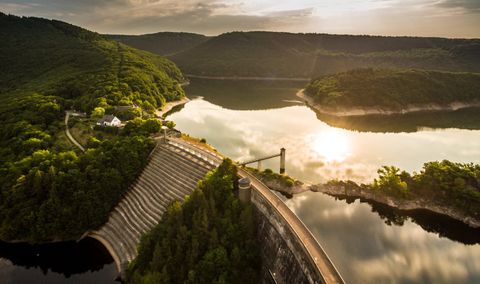
The fourth stage of the Eifelsteig from Einruhr to Gemünd.

Approx. 15-kilometer circular hike on the western part of the Vulcano Trail from Schalkenmehren
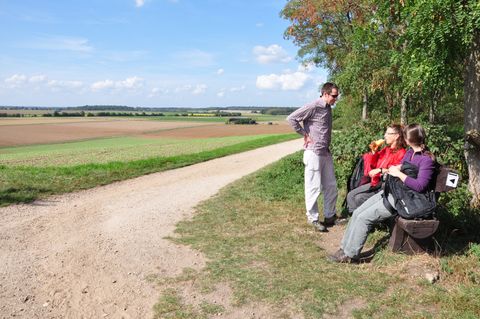
Rheinbach - Bornheim-Brenig
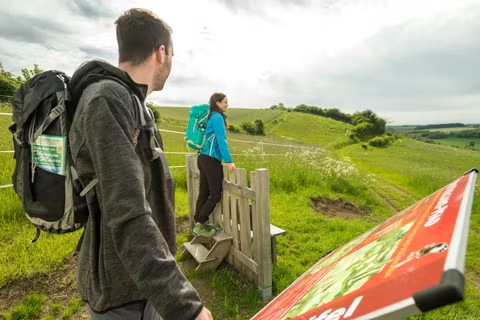
Approx. 16-kilometre circular hike on the eastern section of the Vulcano Trail between the picturesque villages of Ellscheid and Steineberg.
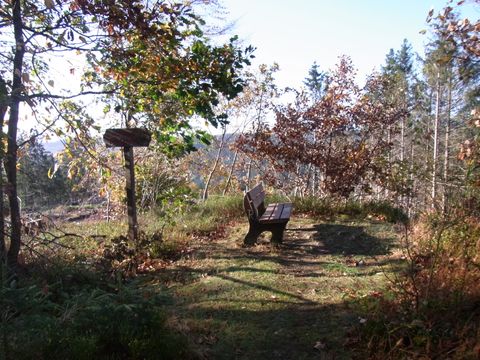
The deeply carved valley of the Weiße Wehe gives this hiking trail its name. The starting point is the "Zum Alten Forsthaus" hotel in Vossenack. The Wehebach originates from the confluence of the "Roter Wehe" and "Weißer Wehe" rivers. In 1981, six Polish beavers were settled in the Weiße Wehe valley. Until the 19th century, the rodents were hunted for their fur, declared fish by the Pope, eaten during Lent and used as an aphrodisiac. The consequence was their almost complete extinction. Today, the Eifel population is once again estimated at 200 to 250 animals. Guided hikes follow the tracks of the beaver. We follow hiking trail no. 46 .
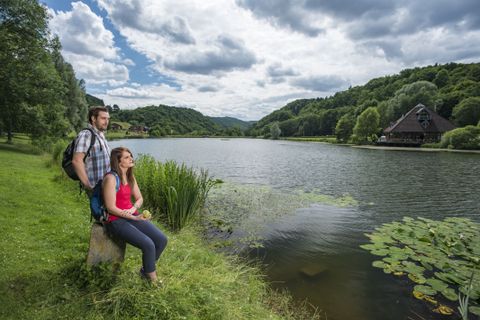
Rieden Lake View Short Quality Walking Trail
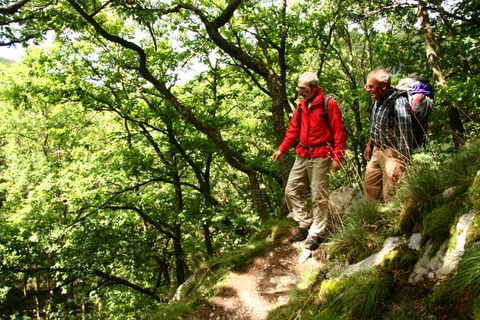
The stage from Höfen to Einruhr is the most challenging of the four stages of the Wilderness Trail. In addition to the comparatively many kilometers that you cover, you also have to climb quite a few meters in altitude.