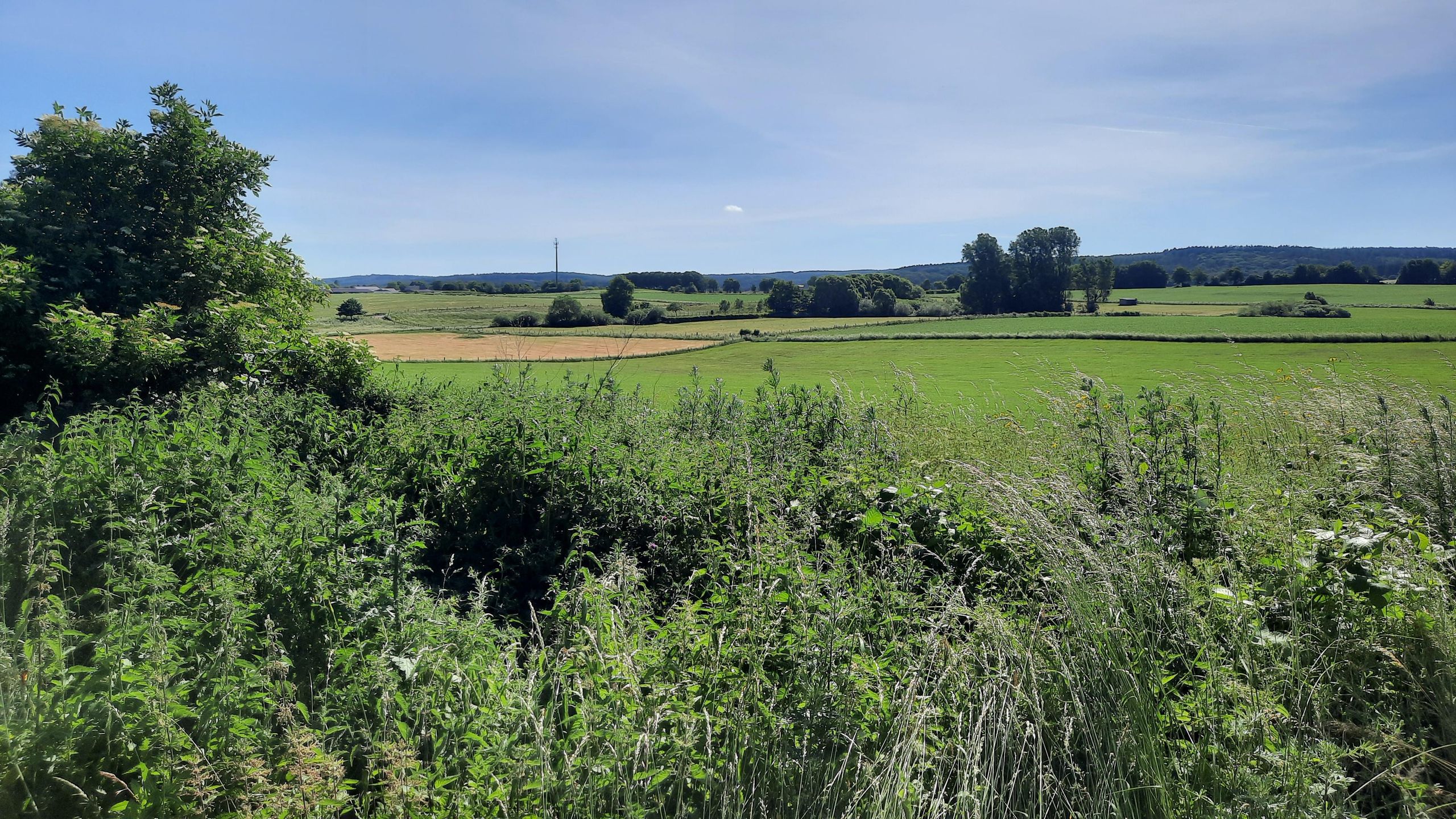
Aufbereitungsanlage
Stolberg
For more effective processing of the heap
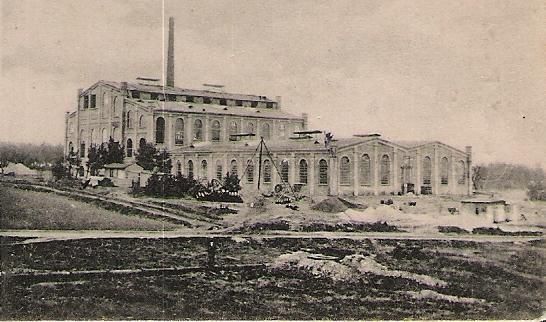
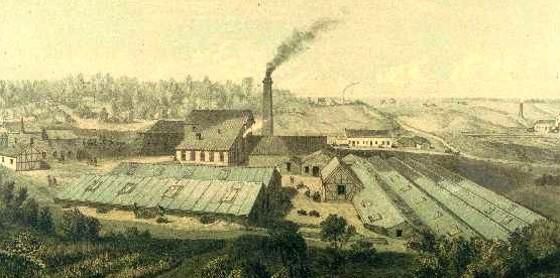
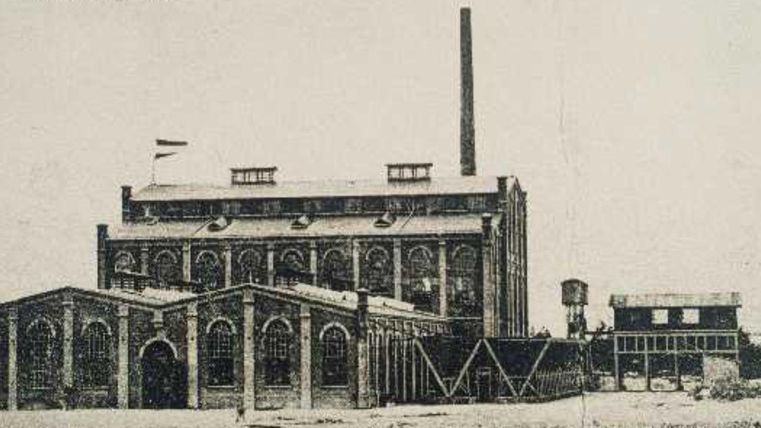
The positive development of mining operations in the second half of the 19th century required more effective ore processing. The mine management therefore had a highly modern processing plant built between March 1906 and April 1907.
Processing is the separation and sorting of usable materials from the heap. This includes everything that is conveyed to the surface, i.e. ore and waste rock. Processing also includes the necessary crushing of the heap as well as the entirety of all equipment and facilities that are set up or operated for this purpose. In the case of ore processing, an ore concentrate is obtained which is further processed in the smelters.
Processing makes use of mechanical-physical working methods by utilizing the different properties of the minerals. The mineral metal carriers (ores) usually have sufficiently large differences in weight to the surrounding rock so that separation by specific weight is possible (density sorting).
The newly constructed plant worked with more or less inclined, flat tables. The crushed grains of rock or ore were fed onto these tables. A continuous stream of water washed out the lighter grains of rock and left the heavier ore grains as so-called ore concentrate.
This effect was further enhanced by setting the entire table in motion (vibration). Such systems are also known as shaking hearths. The density sorting method is also used to separate polymetallic ore (consisting of several metal compounds), so that not only the ore can be separated from the surrounding rock, but also the different ore materials from each other. In the case of the Diepenlinchen mine, these were sulphur compounds of the metals lead, zinc and iron (marcasite, also known as sulphur pyrite). The new plant was able to process 257 tons of heap per day.
At the time, it was considered one of the most advanced of its kind, not only in Germany, and was built by the "Firma Fr. Gröppel, C. Lührigs Nachfolger zu Bochum i. W.". It should be noted here that the highly effective process sequences can only be achieved through consistent and elaborate optimization of the individual process parameters, i.e. grain size of the processing material, quantity and flow rate of the water flow, amplitude and frequency of the oscillations.
To ensure high-quality concentrates, the selection process had to be repeated several times. Of course, the aforementioned optimization procedures were also necessary here. The necessary quantity was achieved by operating several processing lines in parallel.
(Text: Jens Mieckley)
Impressions

Contact
Montanhistorischer Rundweg
52224 Stolberg