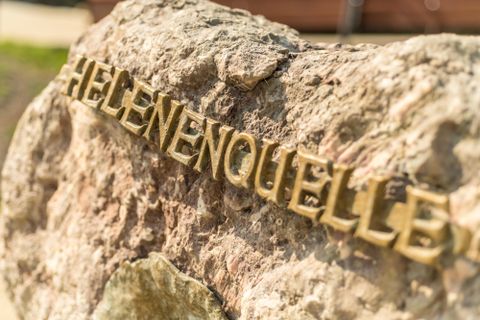
Grube „Zufriedenheit“
Stolberg
Independent before 1863, then part of the Albertsgrube mine
The mine buildings, spoil heap and the original shafts of the "Zufriedenheit" mine were located here. The mine was licensed in 1829 by Wilhelm Bilstein (Werth) and Christian Bengel (Mausbach).
The mine was bought by Jacob Bredt in 1847 and incorporated into his limited partnership, to which the Albertsgrube also belonged. After being sold on, both mines were merged in 1863 under J. W. Schmalenbach to form the "Albertsgrube".
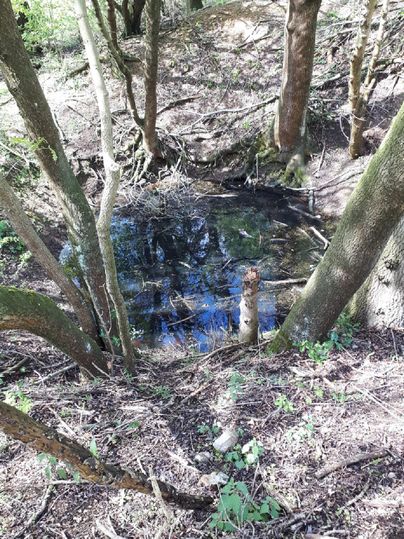
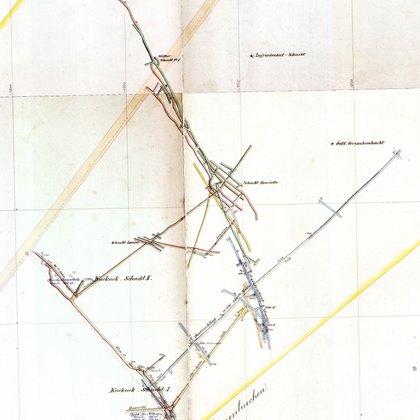
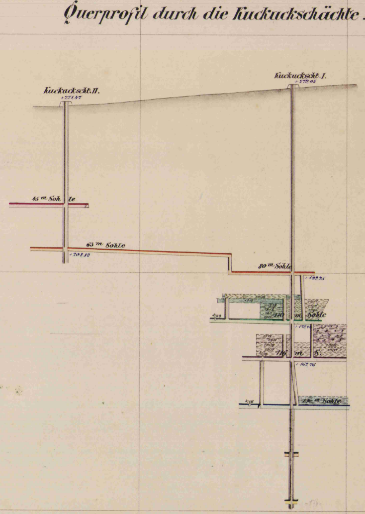
In addition to the "Zufriedenheit" shaft, the main shafts of the "Zufriedenheit" were the "Luise", "Henriette", "Kuckuck I and II" and "Felixschacht" shafts, as well as an experimental shaft and a ventilation shaft. With the exception of "Schacht Zufriedenheit", "Kuckuck I" and "Felixschacht", all other shafts are characterized by the fact that they can be found as deep craters in the terrain.
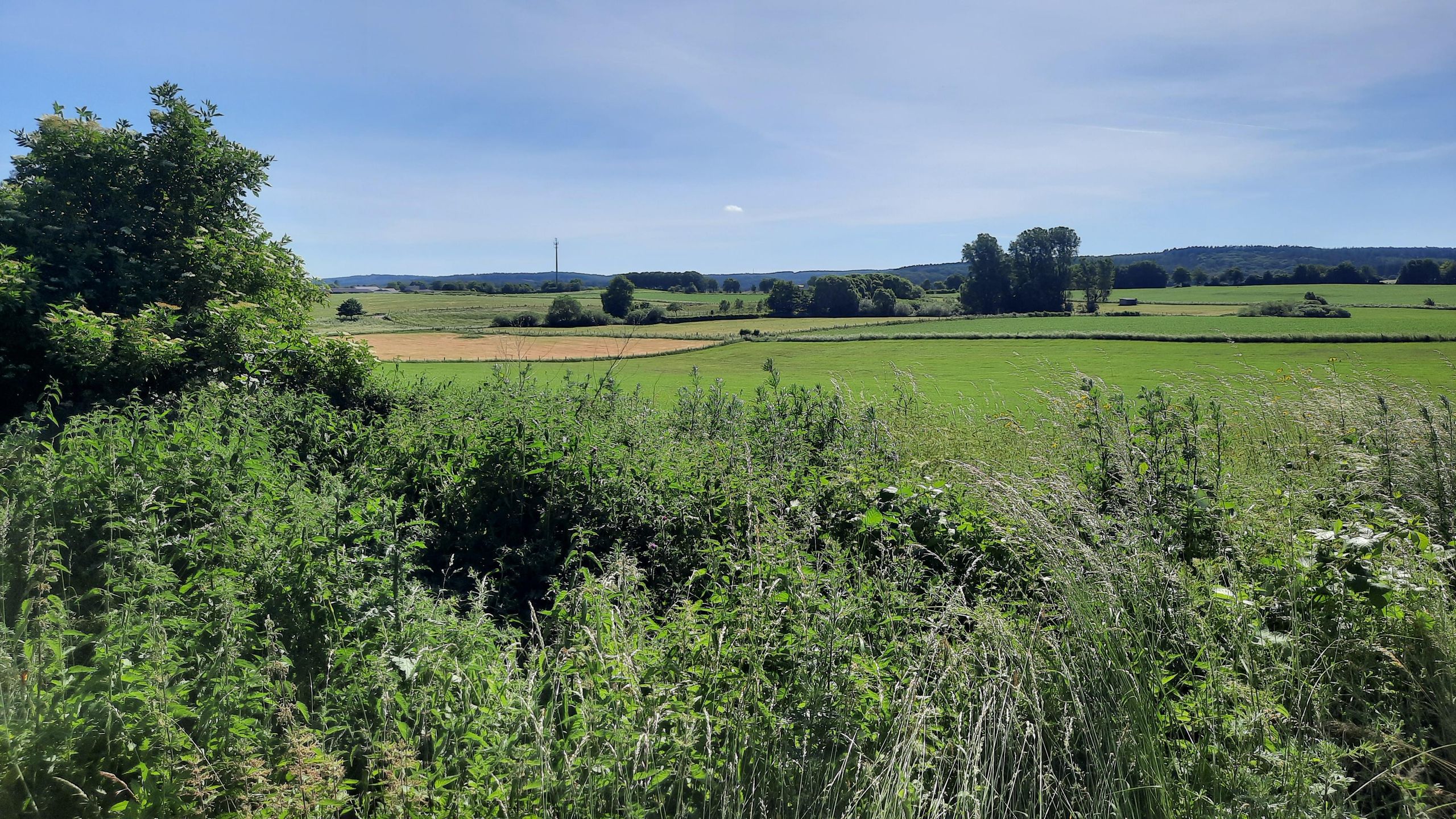
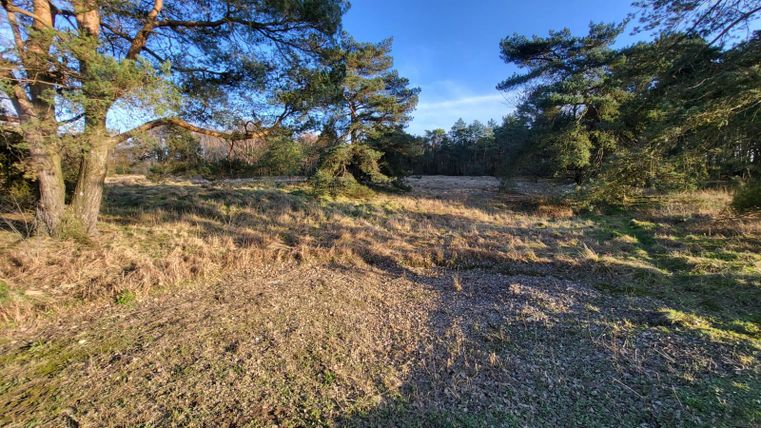
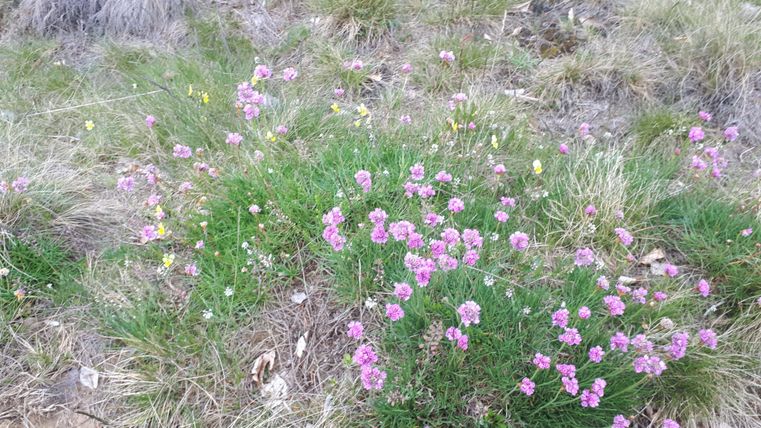
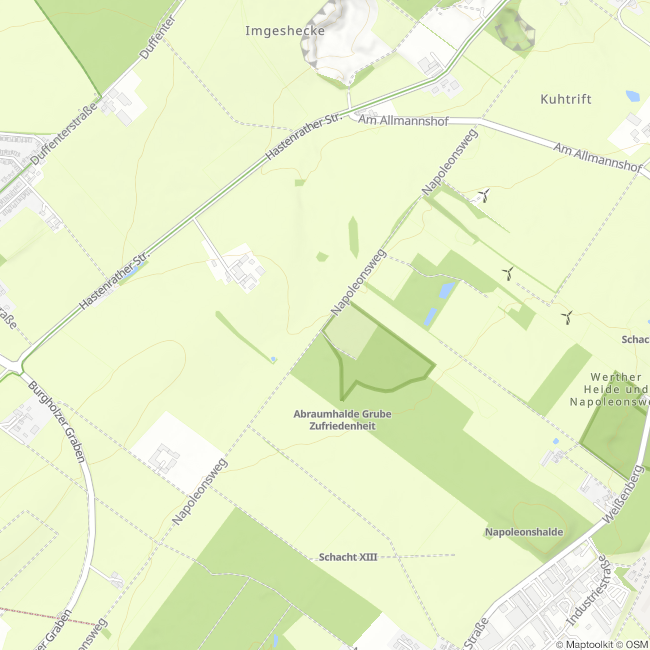
The "Zufriedenheit" spoil tip was removed for use in road construction. For example, large sections of the Napoleonsweg road have been ballasted with the spoil. The open area of the former mine site in the background is characterized by a rich galmeiflora due to the remains of ore mining.
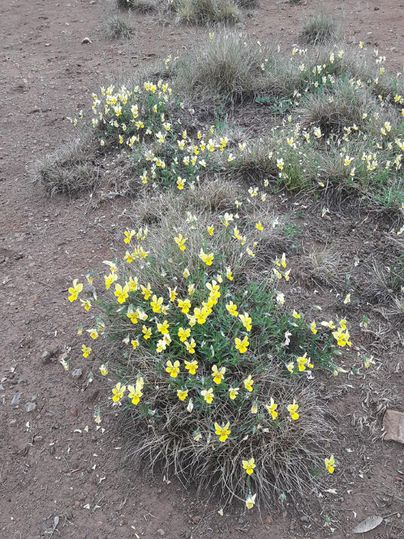
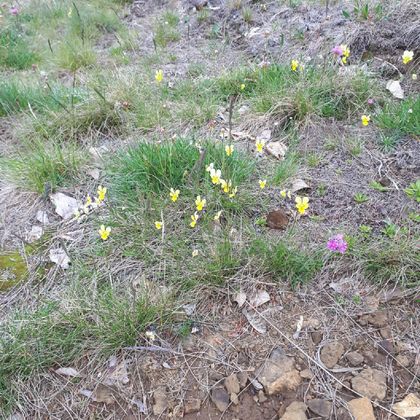
Galmeiflora (Violetum calaminariae): The term refers to the plant community that is predominantly found on dry, nutrient-poor limestone soils where the ores of the galmei paragenesis are present on the surface. The high heavy metal content in the soil, which is toxic to most plants, creates niches for heavy metal-tolerant species (so-called metallophytes), which are displaced elsewhere by stronger plants, but can survive here.
The galmeiflora is made up of the following species in particular:
The yellow galmei violet (Viola lutea calaminaria), which occurs worldwide only in Stolberg and Kelmis, the galmei grass (Armeria maritima halleri), the galmei purse (Thlaspi caerulescens calaminare), the spring chickweed (Alsine verna), the dewcreeper (Silene vulgaris humilis), the sheep's fescue (Festuca ovina).
(Text: Jens Mieckley)
Impressions

Contact
Montanhistorischer Rundweg
52224 Stolberg