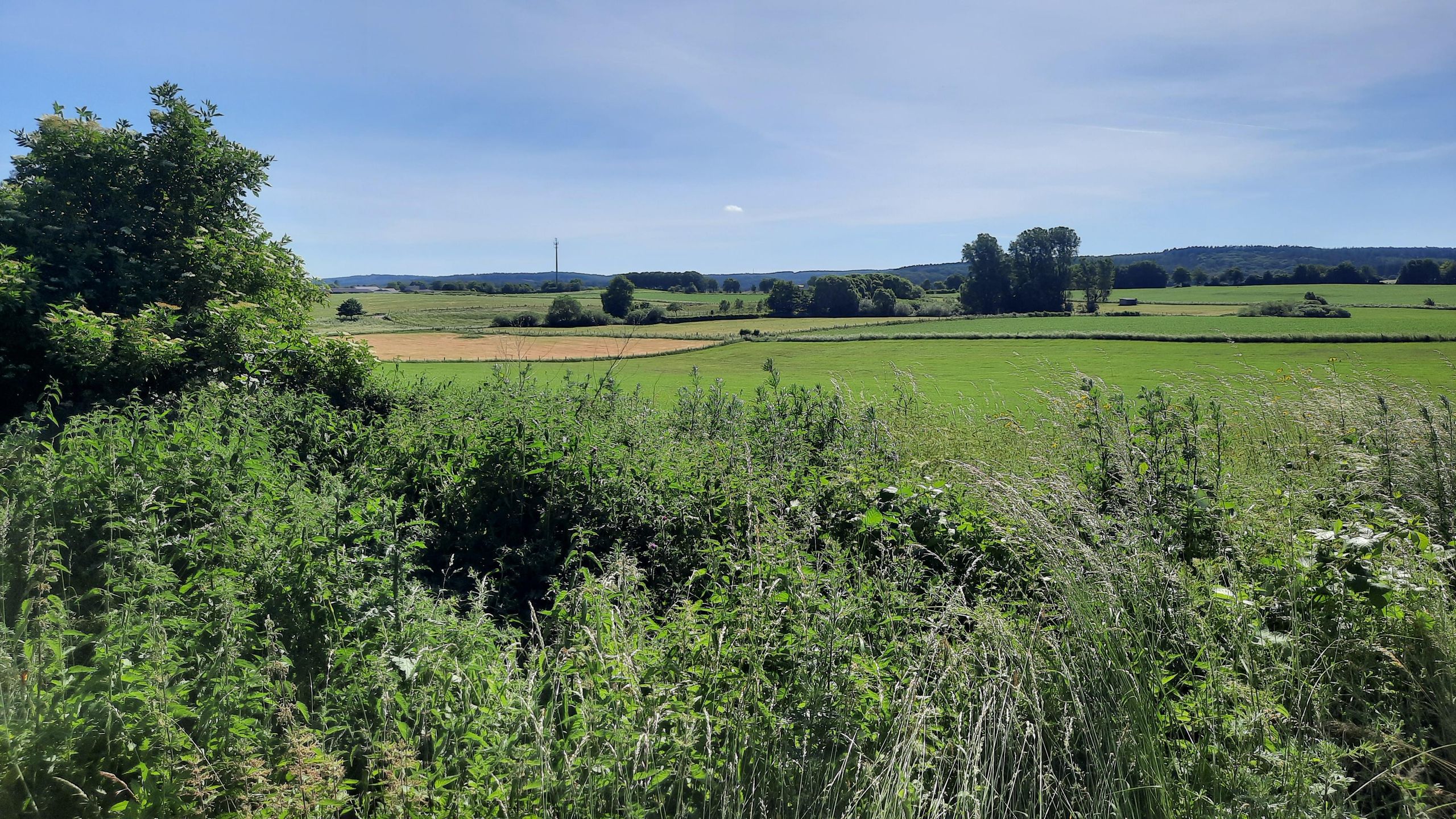
Eisensteinschacht
Stolberg
Albertsgrube winding shaft and pit house
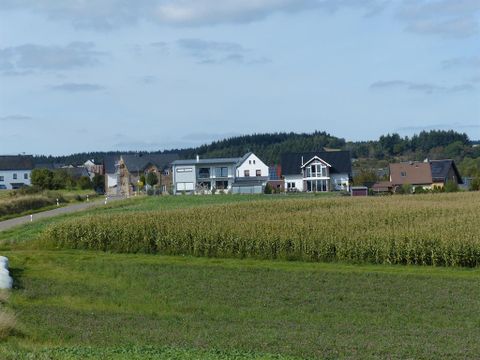
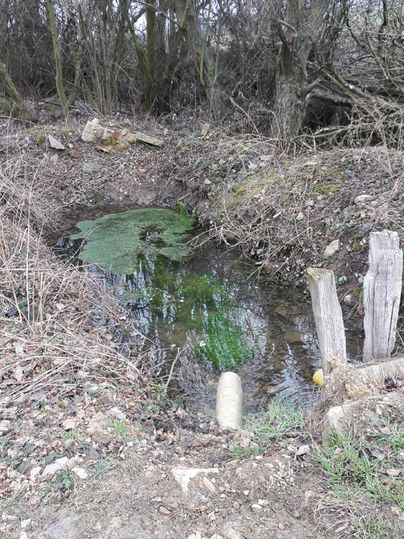
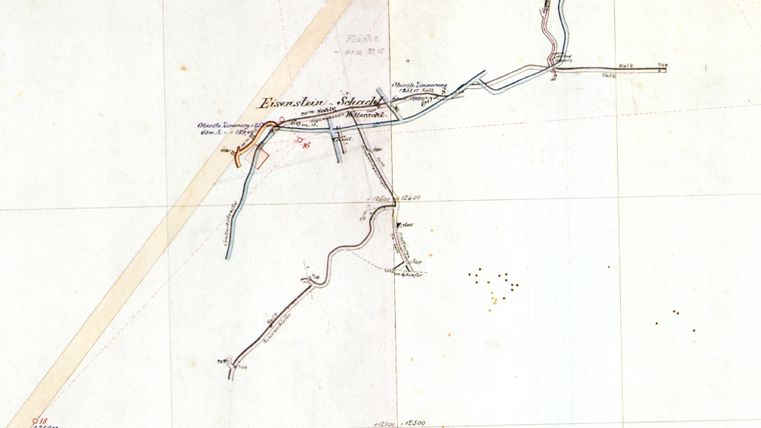
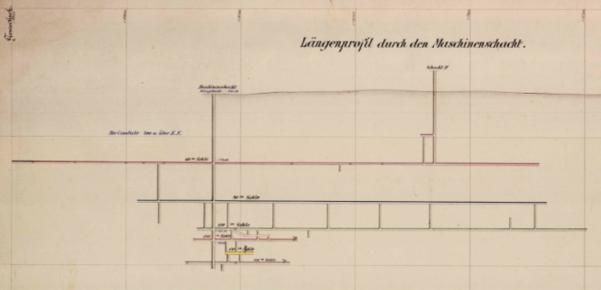
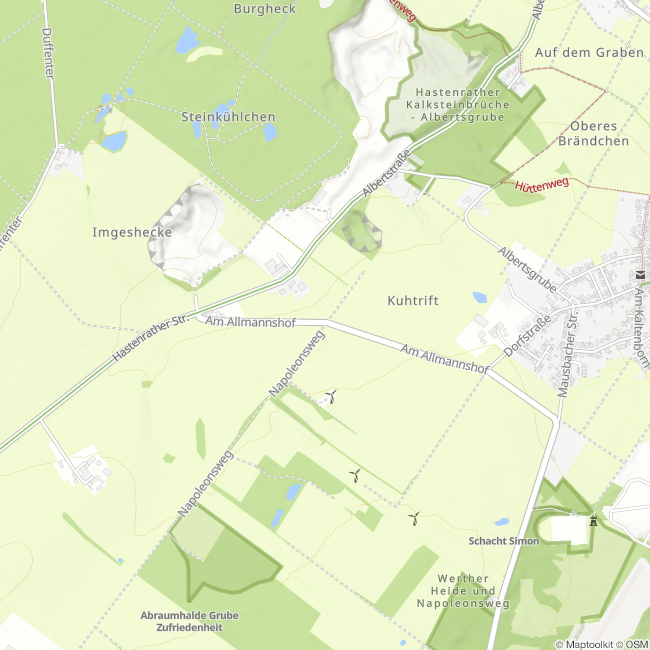
In the two groves in the background are the remains of the former ironstone shaft and the associated pit house. In addition to the ironstone shaft, the shaft/vein complex also consisted of a ventilation shaft and a 60 m and 90 m floor and follows two fissures/faults, which are still visible in the meadow (despite backfilling in 2019).
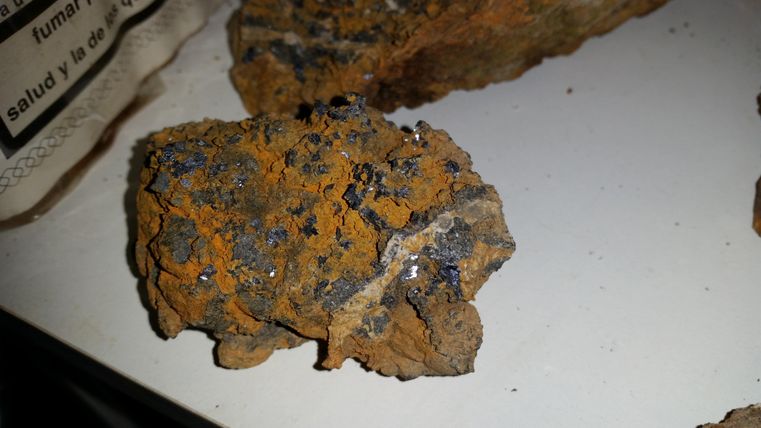
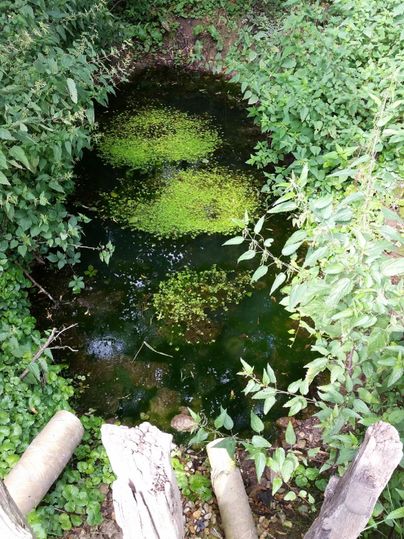
The Albertsgrube was licensed for zinc, lead and iron. Although the focus was on the mining of zinc and lead, limonite (2Fe2O3-3H2O), also known as "ironstone", was mainly mined from the ironstone shaft. The main mining at the ironstone shaft took place in the period from 1853 to 1859, when the Albertsgrube was leased to the "Concordia" smelting company in Eschweiler-Pumpe. This was the only period in which the Albertsgrube operated as an iron mine instead of a zinc/lead mine. Although the ironstone shaft is not connected to the other passages of the Albertsgrube, the surface water that flows in continues to flow out via the buried ventilation shaft.
Main mining Albertgrube:
Galena (lead sulphide/PbS/galenite): Galena has a lead content of 86.6% and, in addition to sulphur in the Stolberg area, also contains silver in the order of 100 g to 1300 g per ton.
Zinc blende (zinc sulphide/ZnS/sphalerite): Starting ore for zinc extraction. The word blende is derived from the fact that although the weight and metallic luster suggest an ore, no metal could be smelted from it until the end of the 18th century due to the low boiling point of zinc.
Sulphur pyrite (iron sulphide/FeS2/pyrite and marcasite): Rather a waste product of mining, but was sometimes used to extract sulphuric acid.
Shell blende: Paragenesis of the three sulphidic ores mentioned above. Schalenblende is the typical primary ore of the Stolberg deposits, but had to be elaborately processed (separated).
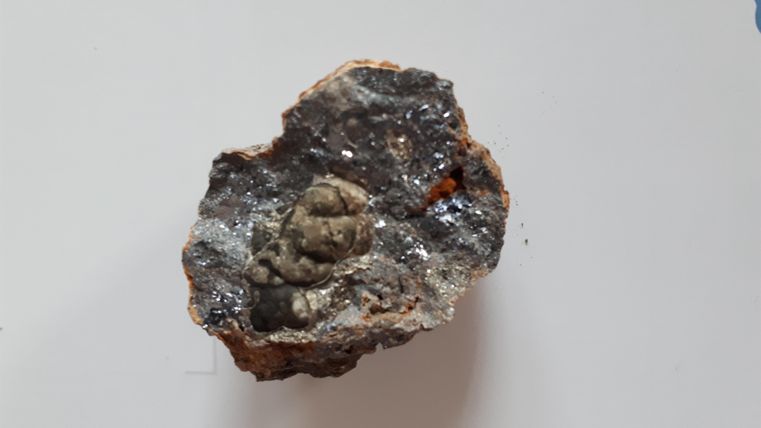
Ironstone (iron hydroxide/2Fe2O3-3H2O/limonite): The limonite mined here was formed as a so-called secondary ore in the oxidation zone (i.e. above the groundwater table) through weathering of the sulphur gravel.
In everyday life, we mainly encounter limonite as rust. Ochre is also nothing other than the powdery weathered form. Limonite was the most important iron ore for the local iron industry and continues to be so worldwide after magnetite and hematite. Although ironstone played a lesser role in iron production in ancient times, it was already mined and smelted in our area by the Celts, as findings in the Korkus (also known as "Im Kakus" forest near Hastenrath, approx. 4 km away) suggest.
(Text: Jens Mieckley)
Impressions
Contact
Montanhistorischer Rundweg
52224 Stolberg